
Nepal: A quick travel guide: what to see, know and do in Nepal
A mountainous country of sacred spaces and Himalayan vistas
Nepal is an enchanting kingdom, nestled in the Himalayas between China and India. For a small territory, the country boasts an uncommonly diverse terrain, including eight of the world's top 10 highest mountains. Nepali folklore is often illustrated in dance and music and the people are open to sharing their traditions. Although tourism is steadily increasing, Nepal's remote location has kept the culture widely unaffected from outside influences.
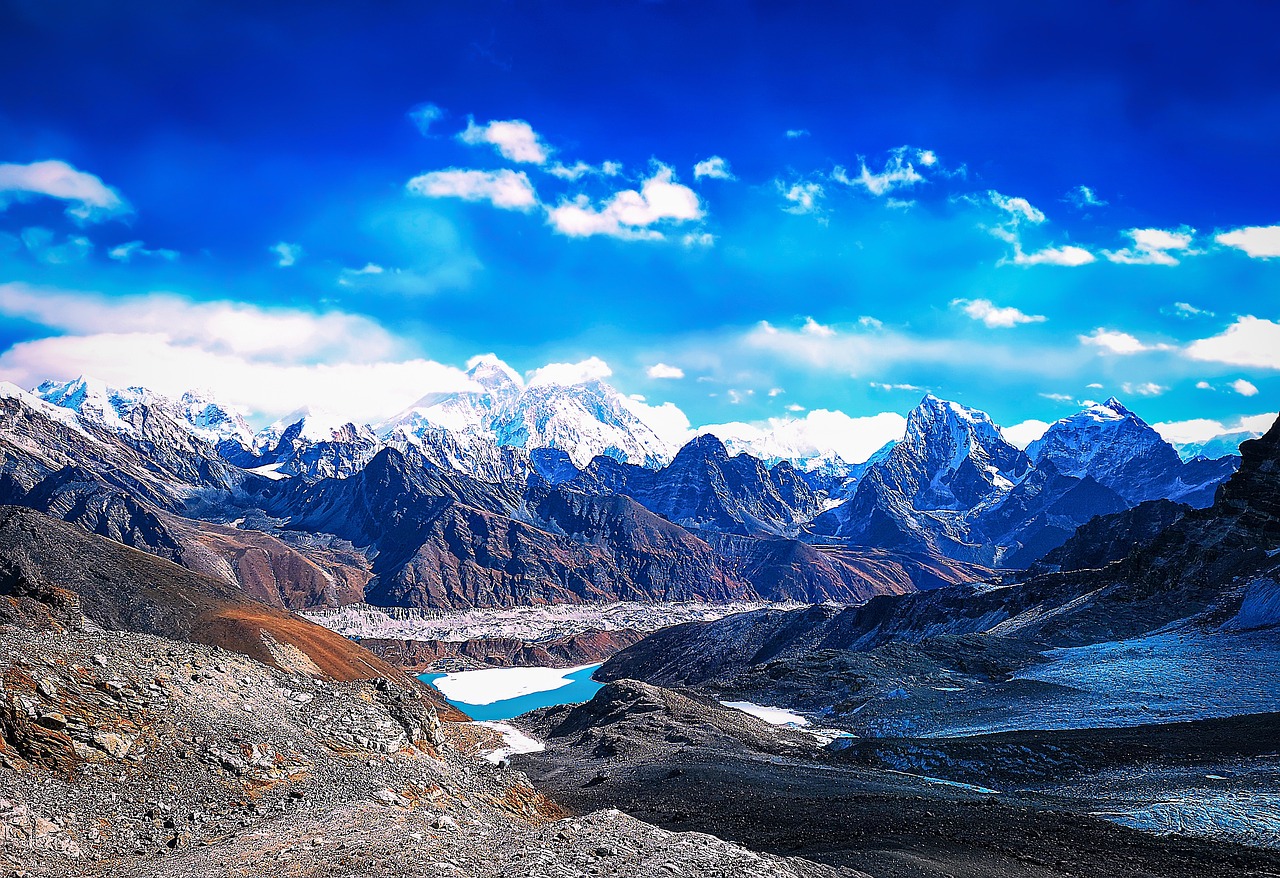
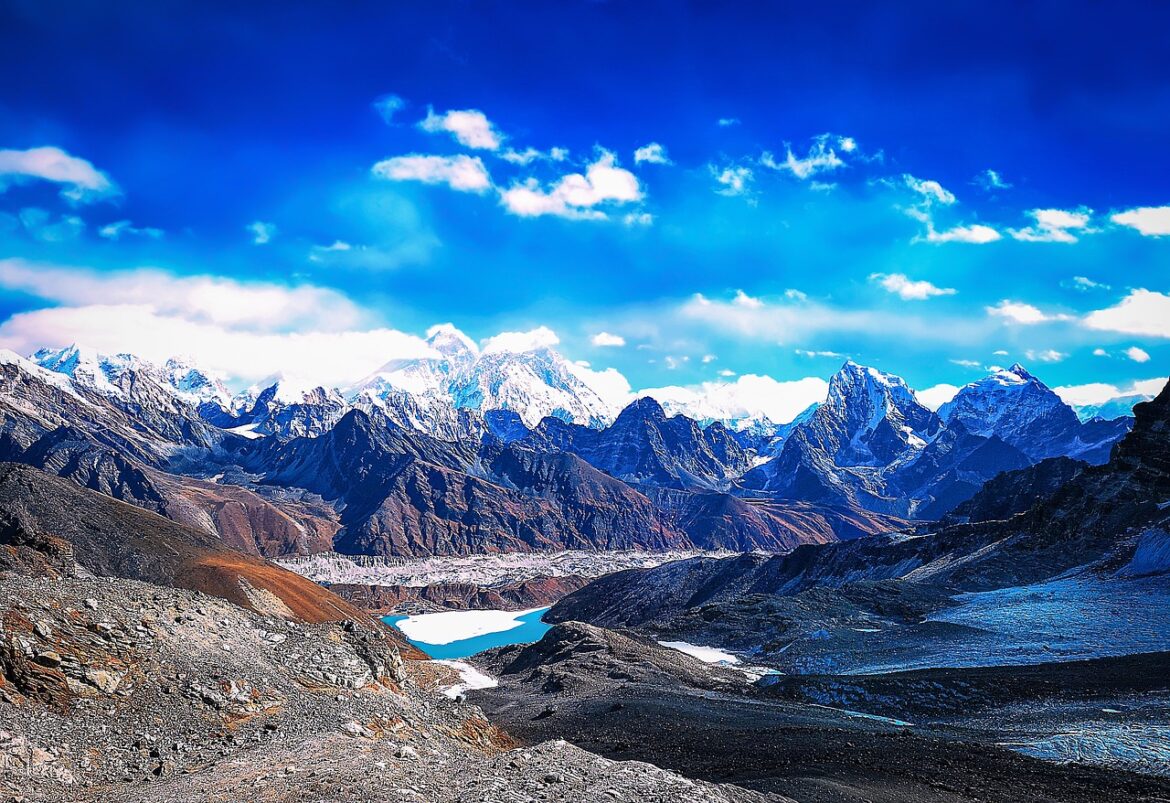
The mountainous north has eight of the world's ten highest mountains, including the highest, Sagarmatha, known in English as Mount Everest. The fertile and humid south is heavily urbanised. It contains over 240 peaks more than 20,000 ft (6,096 metres) above sea level.
Small Fact About Nepal
The aerodrome is located at the foothills of the Himalayan Mountains, with terrain as high as 27,000ft above mean sea level. The runway is directed at the terrain for landing, in a basin 4500ft above mean sea level. What makes this such a challenge is the type of aircraft used to operate into the port. The aircraft used here are wide body Airbus A330's which are landed on this 46m wide runway and circumnavigated in between terrain which requires the highest level of situational awareness and training.
I hope I didn’t scare some of you who are planning to go to Nepal don’t worry, flying is STILL the SAFEST mode of transportation. But such findings always amazes me.
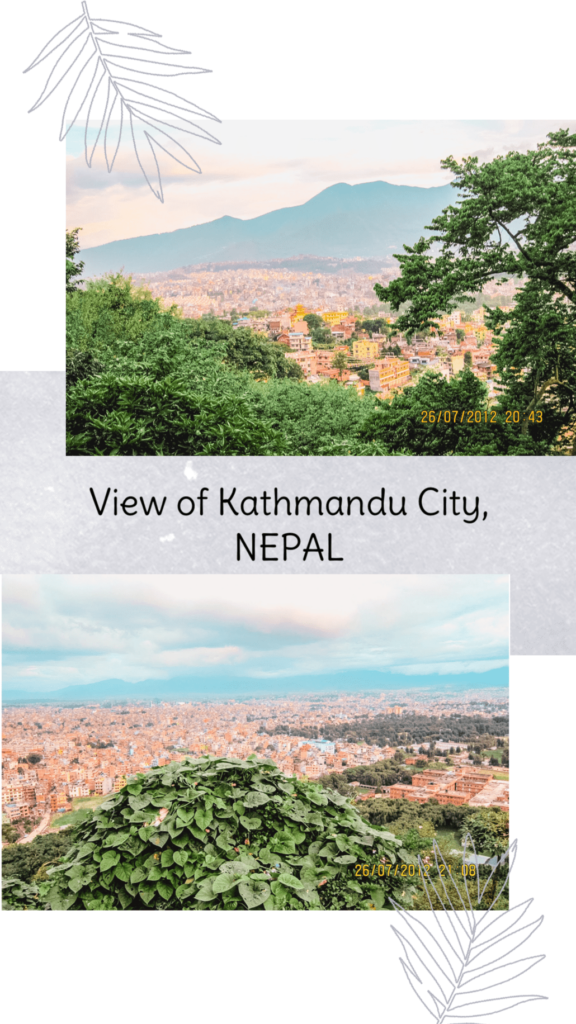
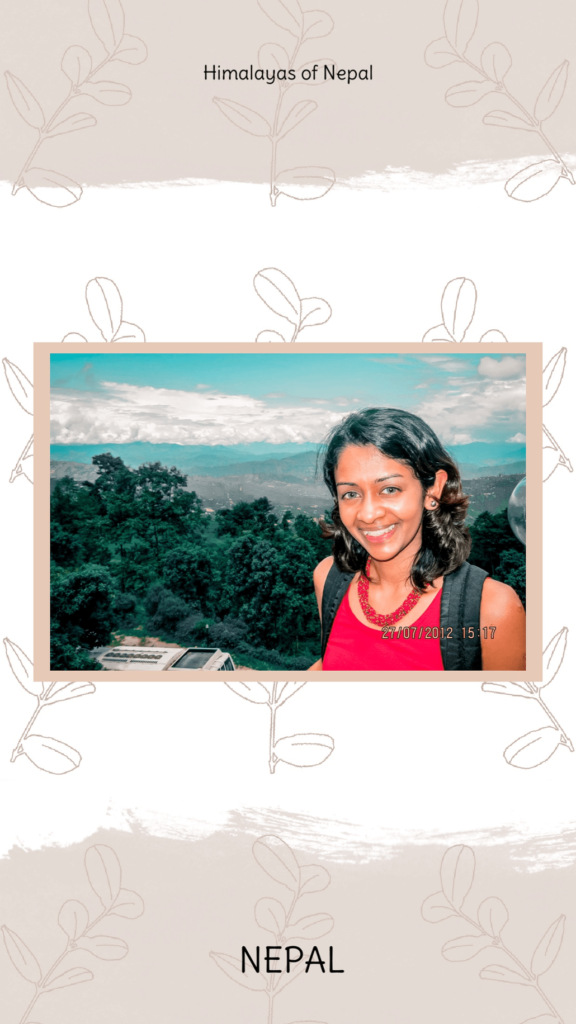
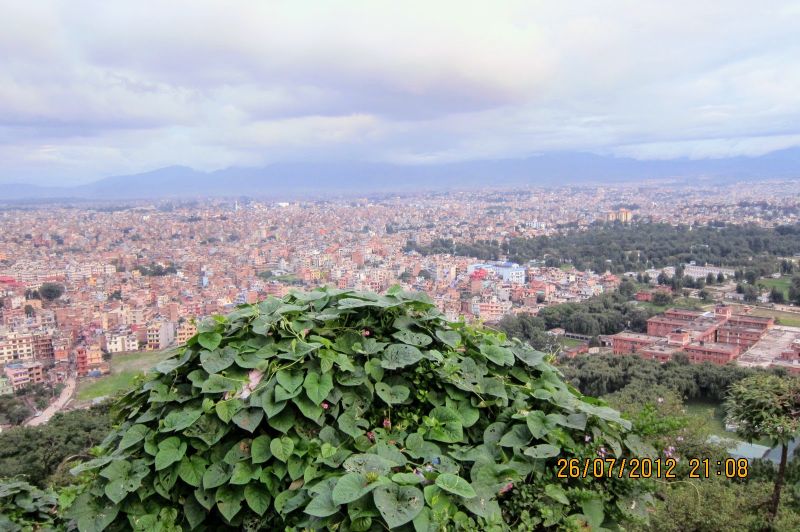
Coming back to my shot, what do you think of it? This was taken from top of a hill. Such a breathtaking view I must say. Such lush greeneries and clear blue sky!
Below I listed down my top places I visited especially when you're on a quick trip like in my case. My trip was for 5 days and 4 nights and in my opinion it suffices. I am not much of a hiker so sightseeing around the main attractions is my kind of thing.
SWAYAMBHUNATH STUPA, KATHMANDU
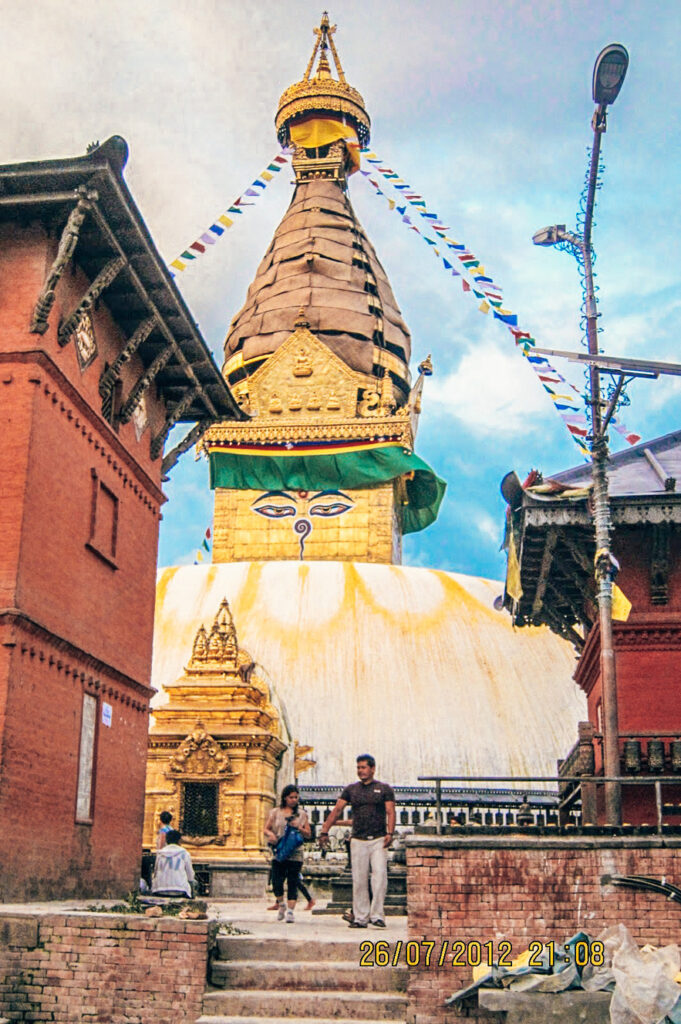
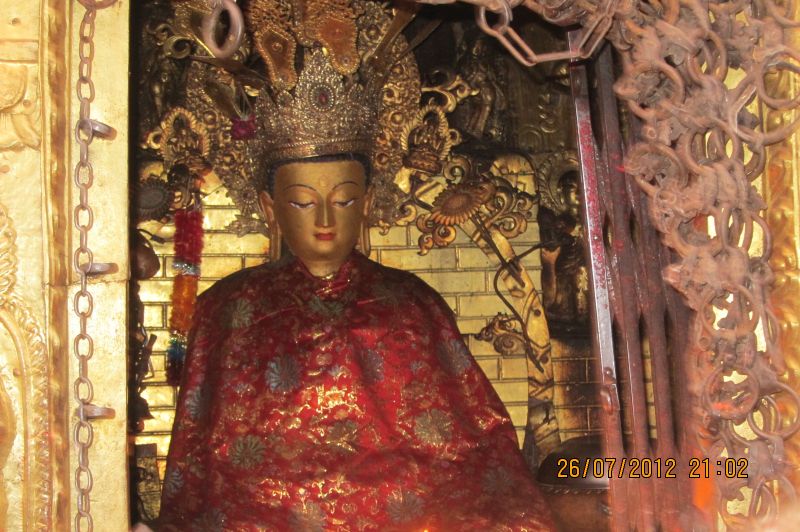
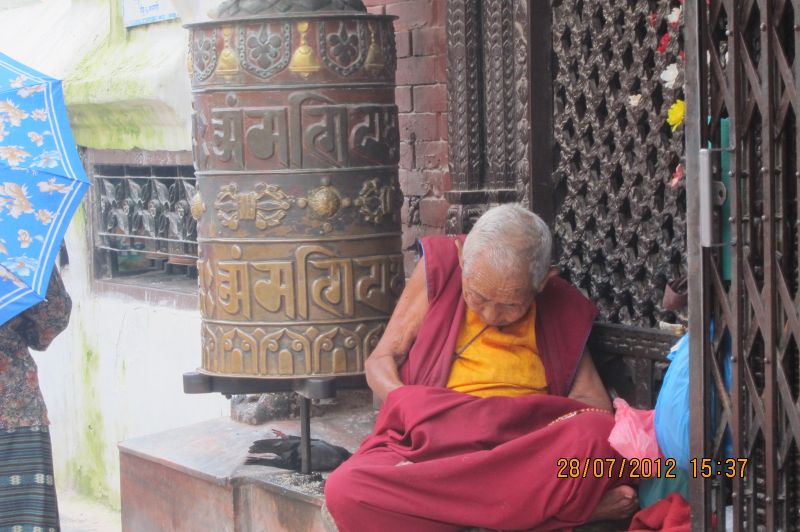
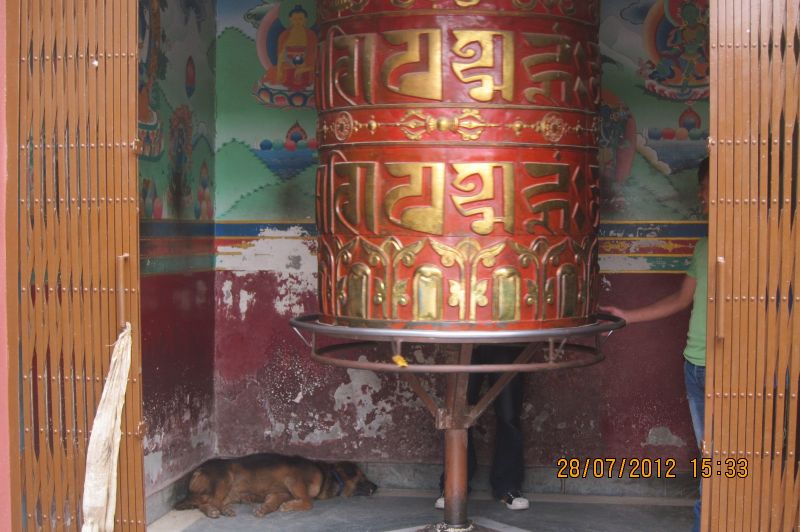
Visitors have called it “Monkey Temple” since 1970’s. Resting on a hillock 3 km west of Kathmandu, Swayambhu is one of the holiest Buddhist stupas in Nepal. It is said to have evolved spontaneously when the valley was created out of a primordial lake more than 2,000 years ago. This stupa is the oldest of its kind in Nepal and has numerous shrines and monasteries on its premises.
Swayambhu literally means “self-existent one”. Believed to date back to 460 A.D. It was built by King Manadeva and by the 13th century, it had become an important centre of Buddhism. Legend has it that Swayambhu was born out of a lotus flower that bloomed in the middle of a lake that once spread across the Kathmandu Valley once was. The largest image of the Sakyamuni Buddha in Nepal sits on a high pedestal on the western boundary of Swayambhu beside the Ring Road. Behind the hilltop is a temple dedicated to Manjusri or Saraswati – the Goddess of learning.
However the part about Swayambhu was born out of lotus. I believe he was an incarnation of Buddha. Why do I say that? I recall when I used to go to Sunday School during my childhood days (to learn about Buddhism) my teacher read out that Buddha could walk on the lotus floating on water. In any case, it is said that Buddha taught Buddhism first in Nepal and it grew from there to the rest of the world.
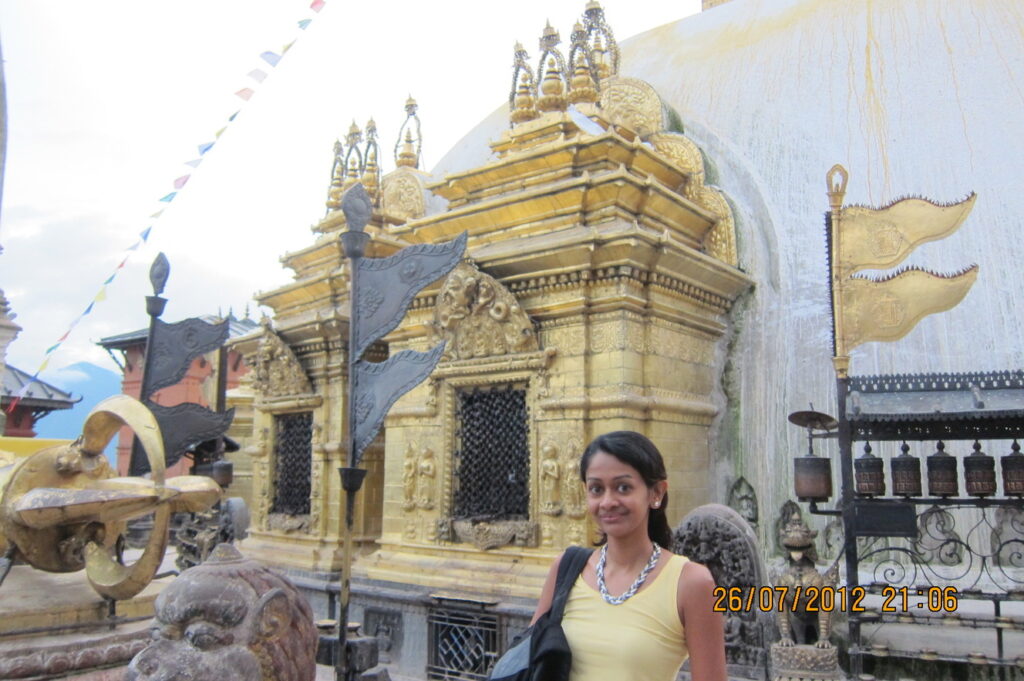
This stupa was indeed very beautiful. Nepal has many of these intricate stupas everywhere. Always wondered how they constructed such huge structures centuries ago. Have you ever wondered too?
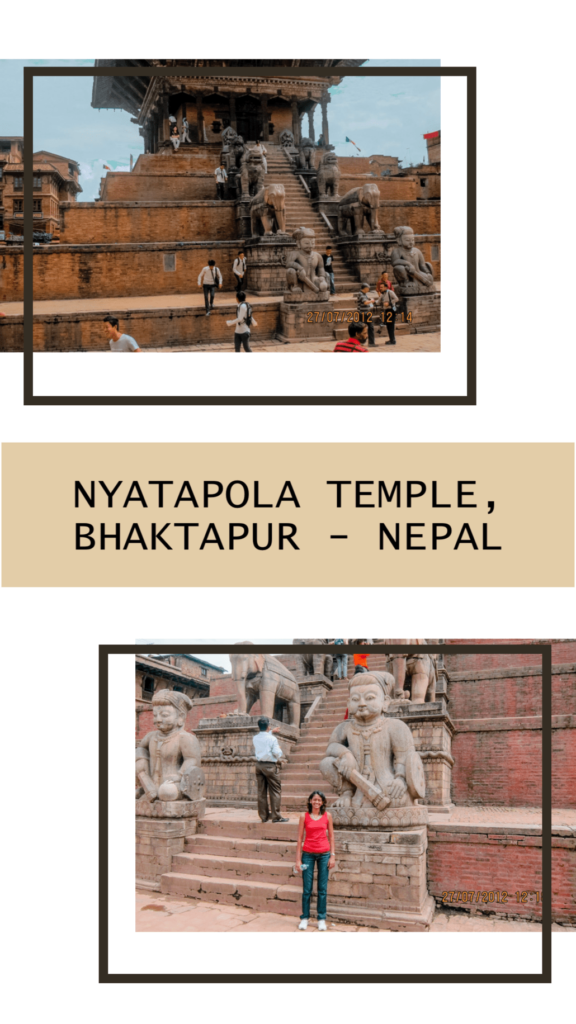
Fasi Dega Temple
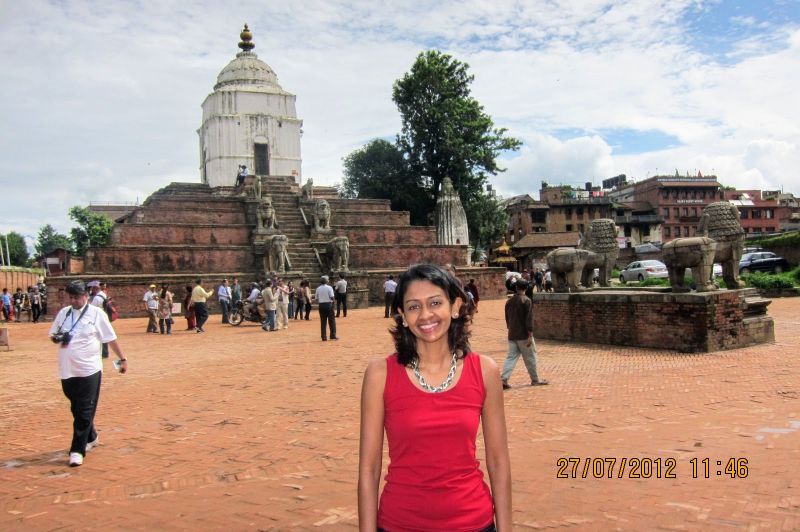
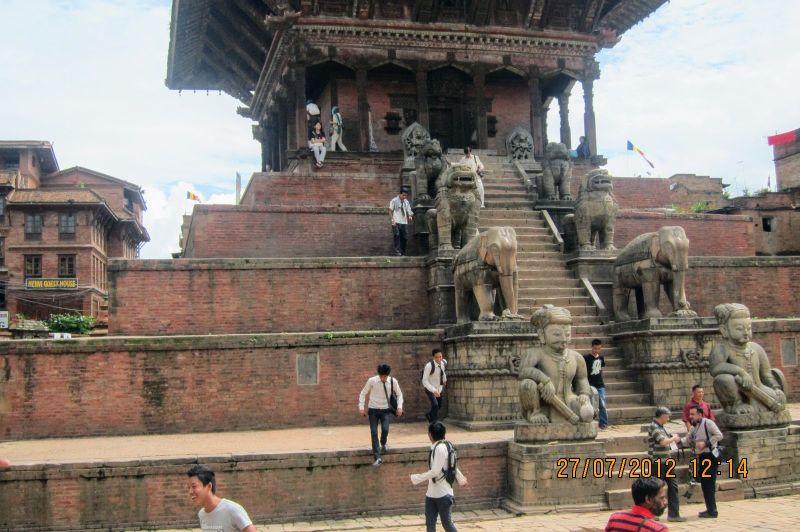
Fasi Dega Temple, dedicated to Shiva, is also located in the Bhaktapur Durbar Square. There were several sculptures of Hindu gods within the temple. This ancient temple collapsed in the 1934 earthquake; only the base of the original structure remained. The stairway along the height of the stepped base is guarded by three pairs of animals. A modern dome-shaped shrine was built on top of the original base, and it collapsed in the April 25, 2015, earthquake.
Luckily I got to see this beautiful temple before it collapsed.
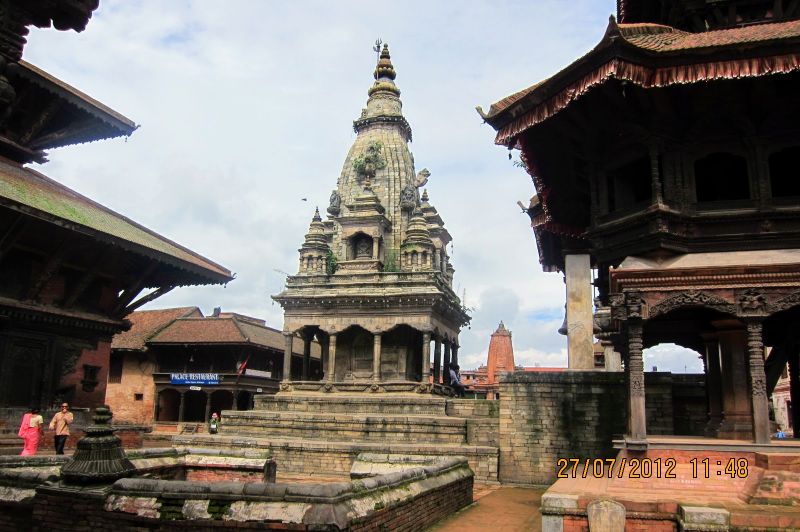
Vatsala Durga Temple - Hindu Temple in Bhaktapur
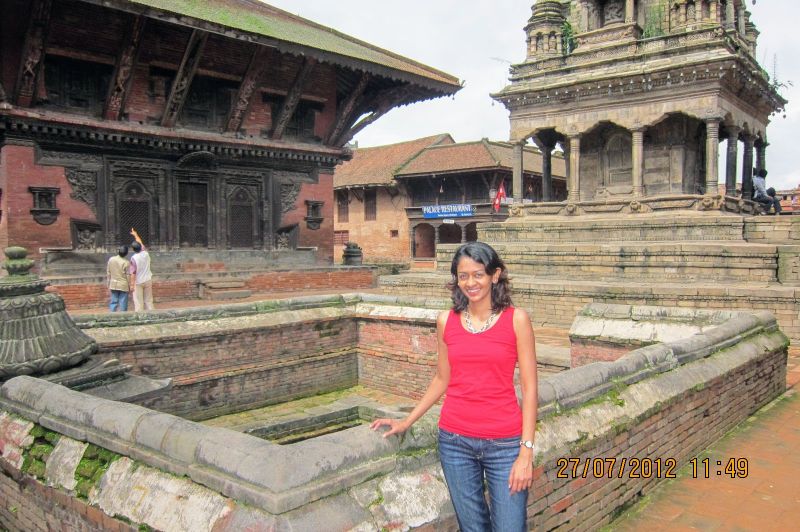
Beside King Bhupatindra Malla’s column and directly in front of the Royal Palace, this stone temple was built by King Jagat Prakash Malla in either 1672 or 1727 (depending on which inscriptions you trust) in the Indian shikhara style, but it was completely destroyed in the 2015 earthquake.
Beside the temple is an ornate sunken hiti containing a fine stone dhara in the form of a makara, topped by a crocodile and a frog.
Did you know that Nepal is home to eight UNESCO World Heritage sites, including three royal cities, several Hindu and Buddhist sites within the Kathmandu Valley, and Lumbini – the legendary birthplace of Buddha (also World’s oldest Buddhist shrine) All of these iconic sites were affected by the quake in 2015.
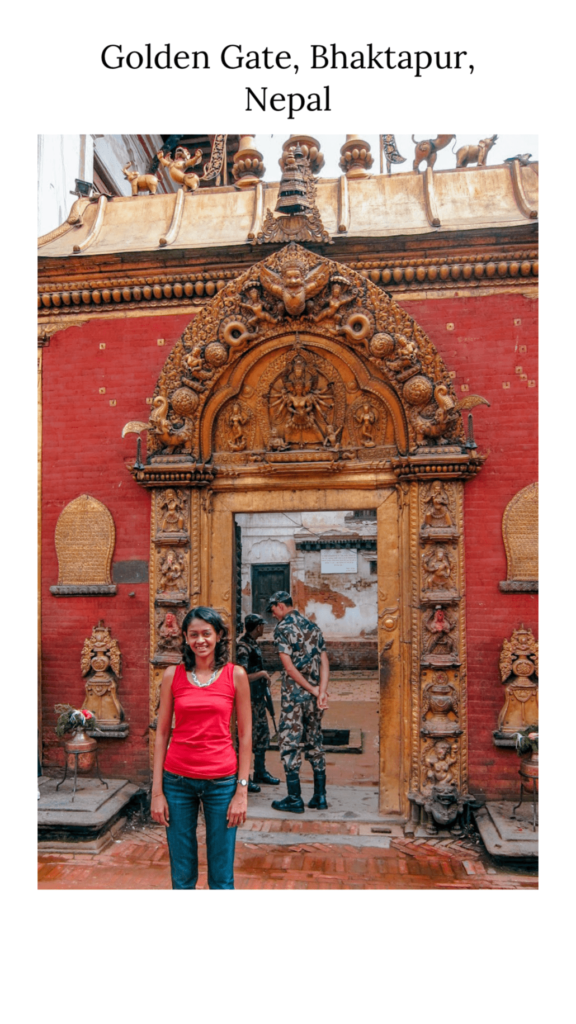
Golden Gate - historic building in Bhaktapur in Nepal
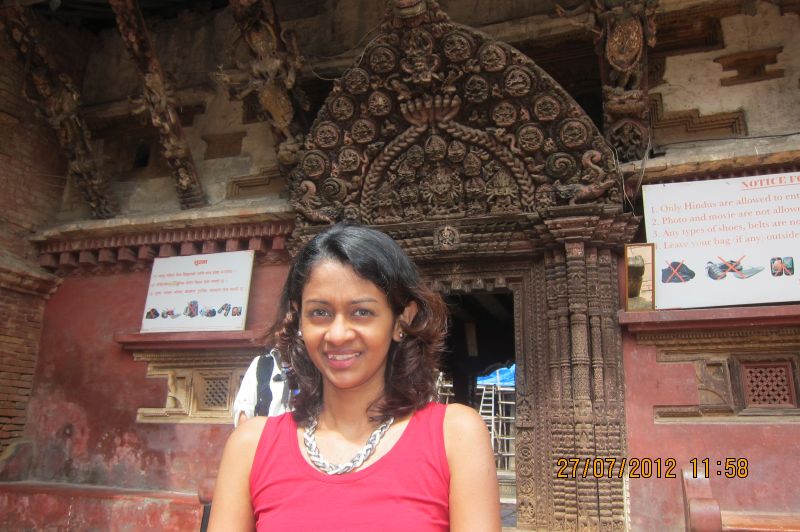
The magnificent Golden Gate is a visual highlight of Durbar Sq. Set into a bright red gatehouse surrounded by white palace walls, the fabulous golden portal boasts some of Nepal's finest repoussé metalwork. The gilded torana features a fabulous Garuda wrestling with a number of supernatural serpents, while below is a four-headed and 10-armed figure of the goddess Taleju Bhawani, the family deity of the Malla kings.
Construction of the gate began during the reign of King Bhupatindra Malla (r 1696–1722), and the project was completed by his successor, Jaya Ranjit Malla, in 1754. The death of Jaya Ranjit Malla marked the end of the Malla dynasty and the end of the golden age of Newari architecture in Nepal.
The gate opens to the inner courtyards of the Royal Palace, a once vast compound until the 1934 earthquake levelled all but a handful of its 99 courtyards. More walls toppled during the 2015 earthquake. To the right of the Golden Gate is the 55 Window Palace, which, you guessed it, has 55 intricate wooden windows stretching along its upper level.
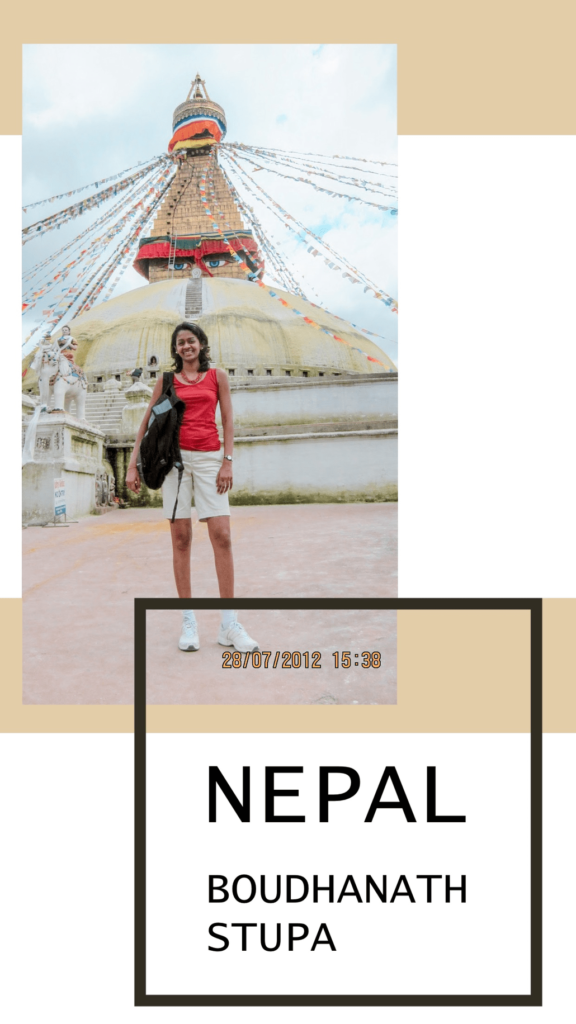
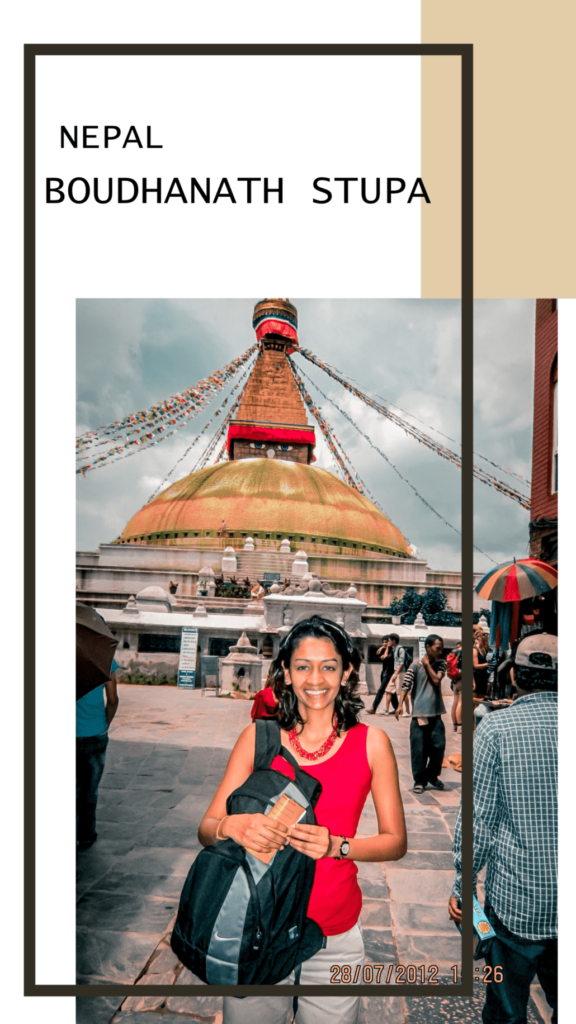
Boudhanath Stupa or Boudha Stupa
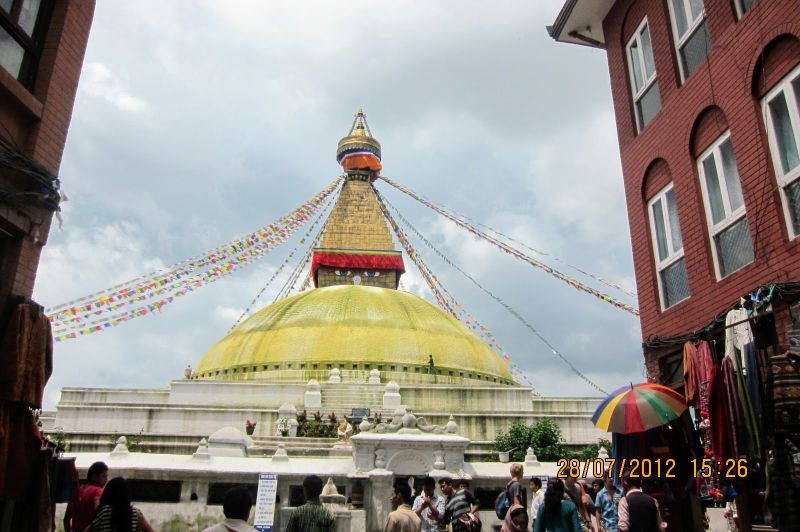
The first stupa at Boudhanath was built sometime after AD 600, when the Tibetan king, Songtsen Gampo, converted to Buddhism. In terms of grace and purity of line, no other stupa in Nepal comes close to Boudhanath. From its whitewashed dome to its gilded tower painted with the all-seeing eyes of the Buddha, the monument is perfectly proportioned. Join the Tibetan pilgrims on their morning and evening koras (circumambulations) for the best atmosphere.⠀
⠀
According to legend, the king constructed the stupa as an act of penance after unwittingly killing his father. The first stupa was wrecked by Mughal invaders in the 14th century, so the current stupa is a more recent construction. ⠀
⠀
Did you know that Stupas or Pagodas were built to house holy relics and some claim that Boudhanath contains a piece of bone from the skeleton of Prince Siddhartha Gautama also known as Lord Buddha. Next time you enter any of such stupas be sure to make a wish / prayer for good health and peace upon you and your family.
Fun Fact About the Flags in Nepal
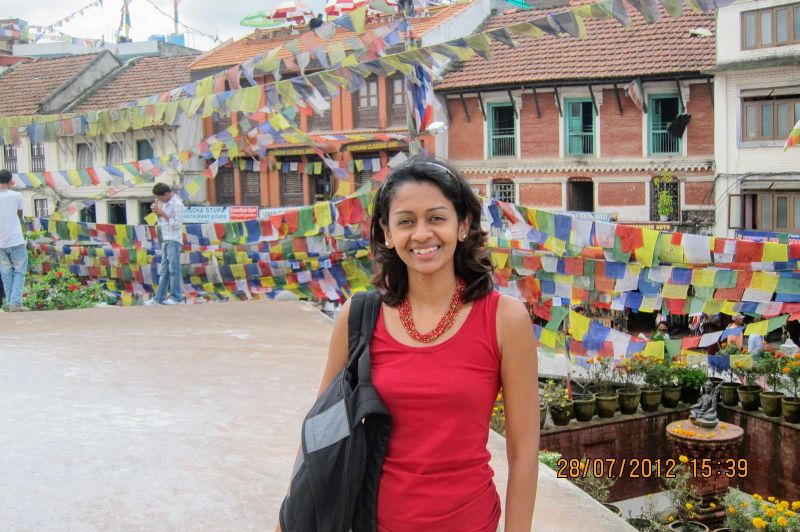
Ever wondered what’s with the colourful flags in holy sites like in Nepal
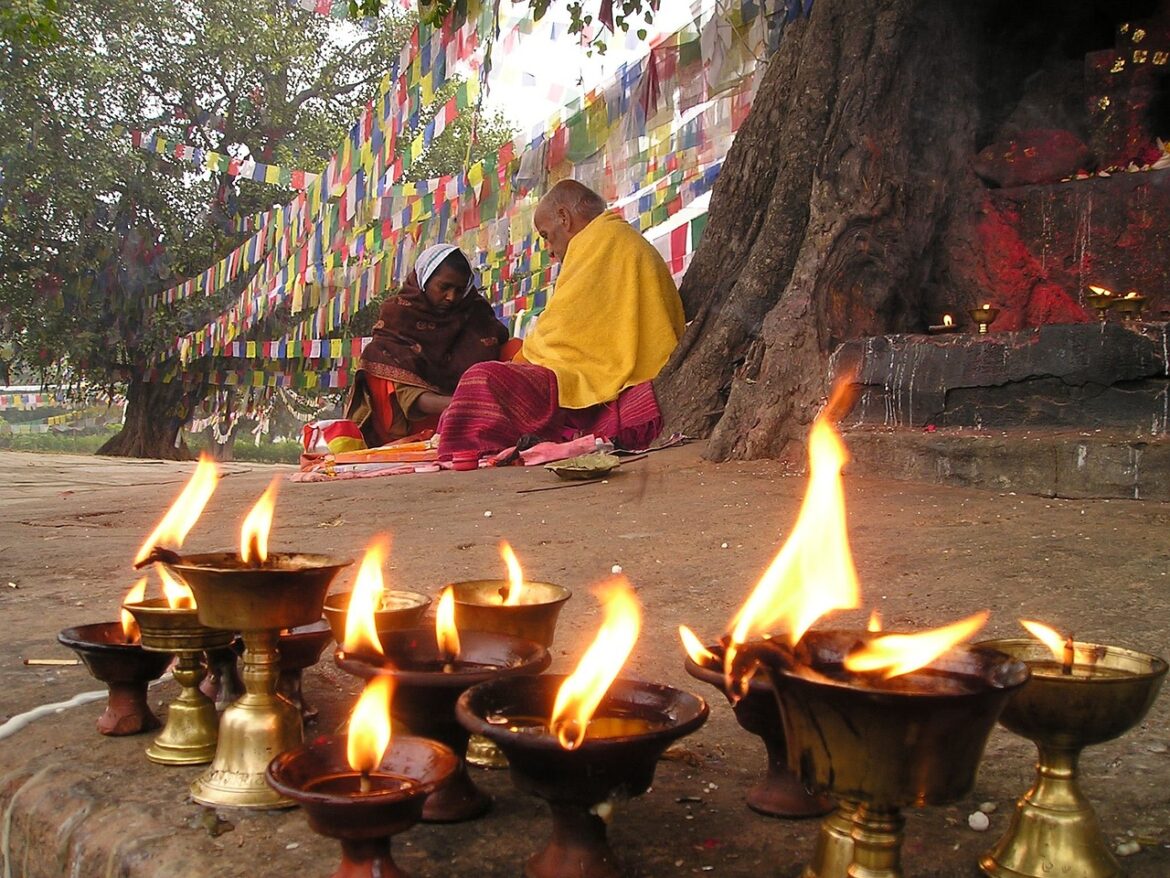
They are called prayer flags. It is believed to bring peace and prosperity to all around them. Prayers, mantras and symbols are printed on the flags, so that nothing but blessings may be scattered about by the wind blowing through the flags.
A traditional prayer flag comes in five different colours, which are ranged in a specific order. Going from left to right, they are ordered: blue, white, red, green and yellow. This is not for an aesthetic reason, but for a spiritual one. These colours represent the five elements – space, air, water, fire and earth. Each element has its own colour:
- Blue symbolises sky and space
- White symbolises air and wind
- Red symbolises fire
- Green symbolises water
- Yellow symbolises earth
Where To Stay In Nepal
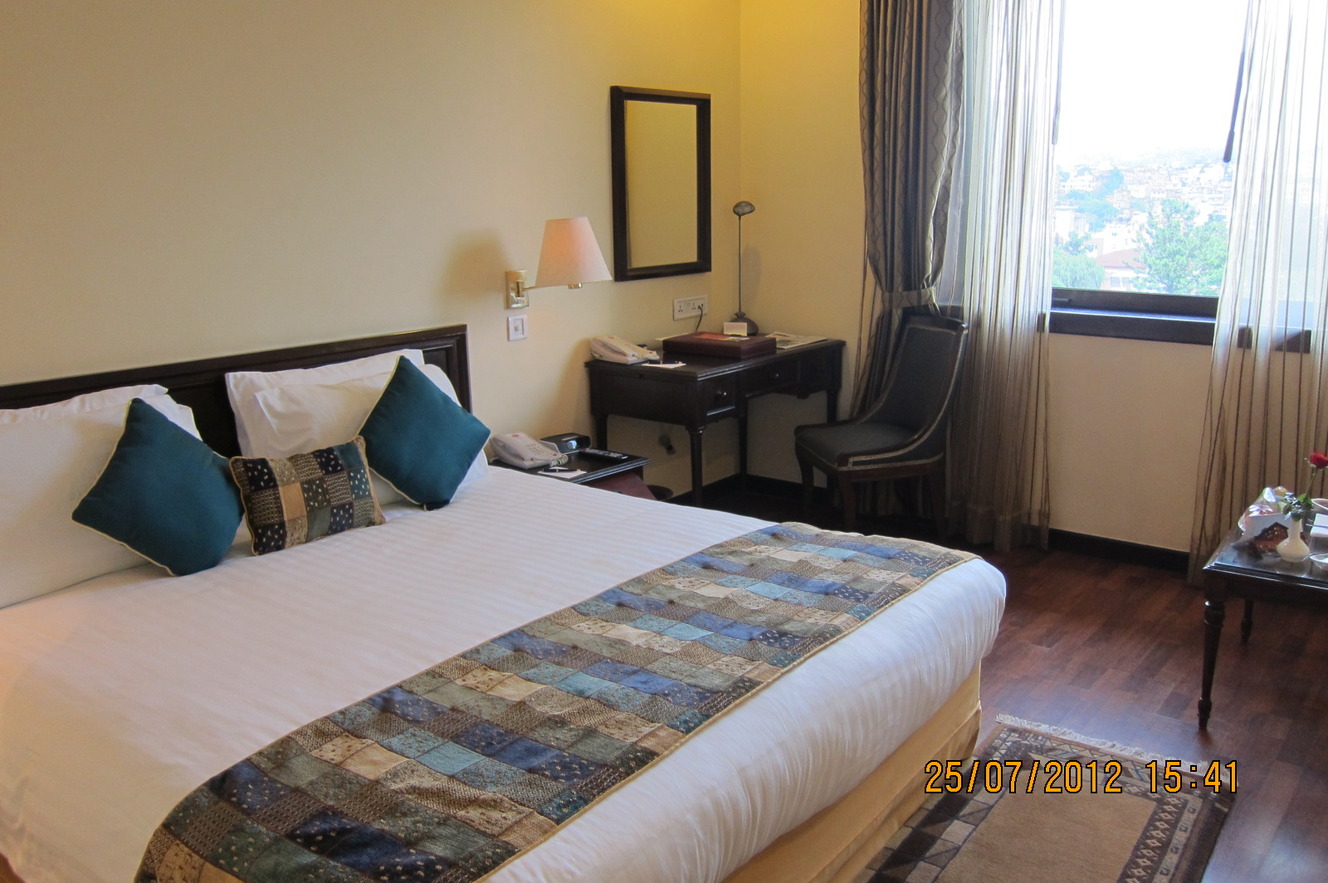
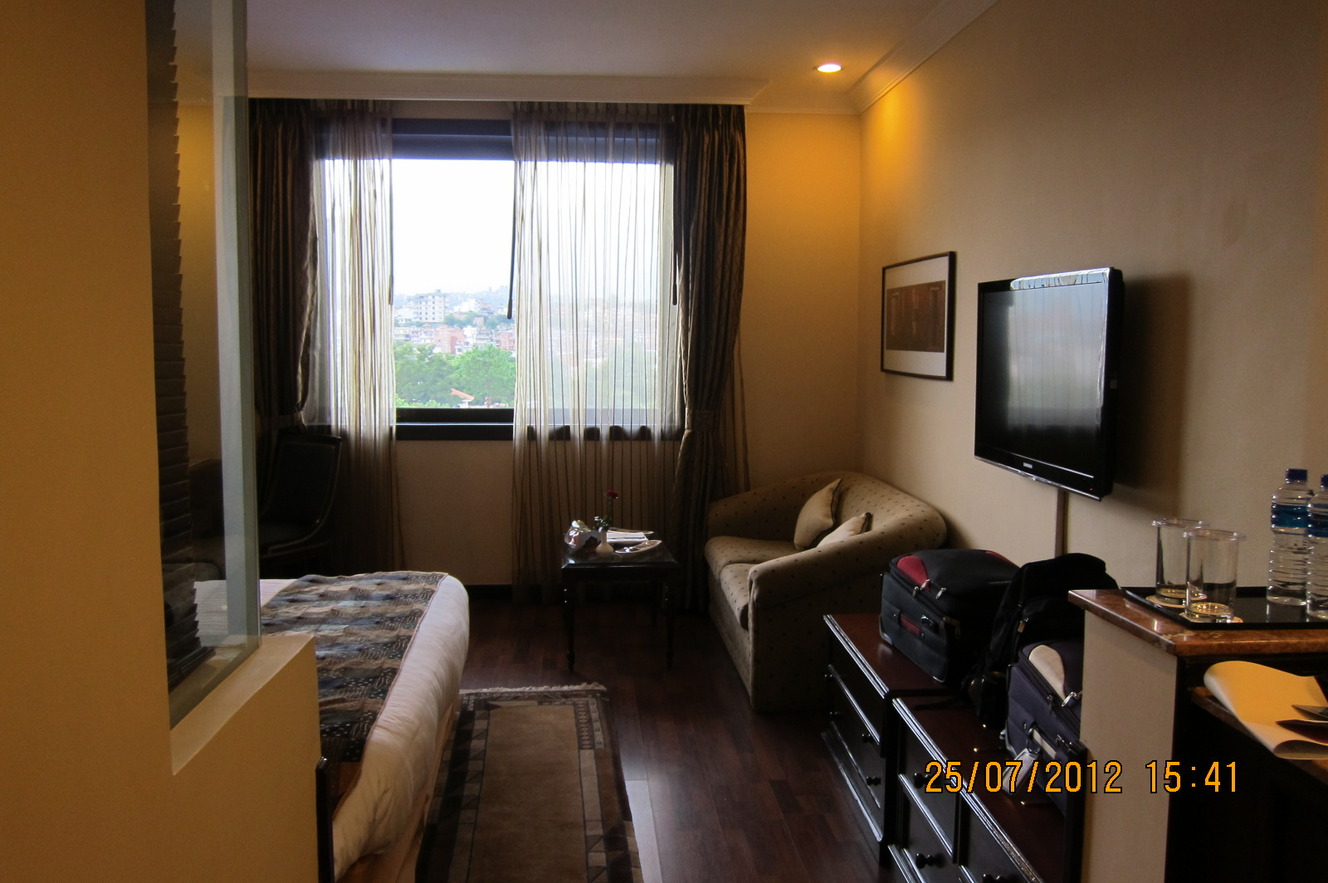
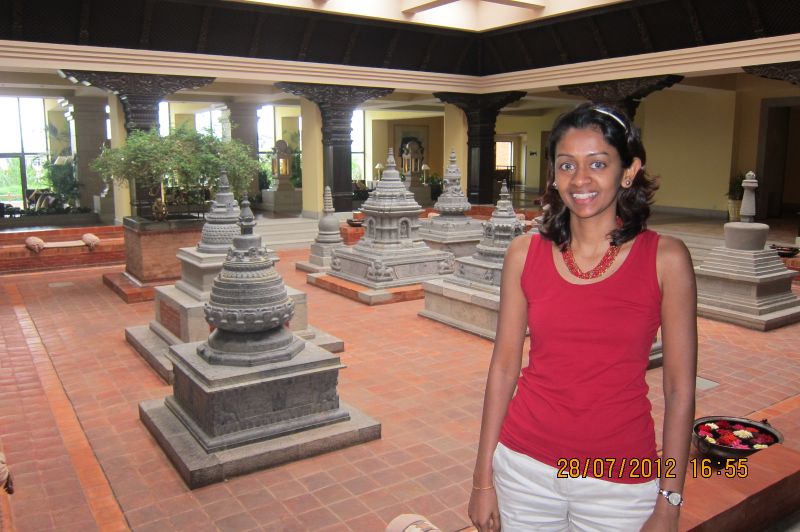
My Recommended Hotel To Stay In Kathmandu, Nepal
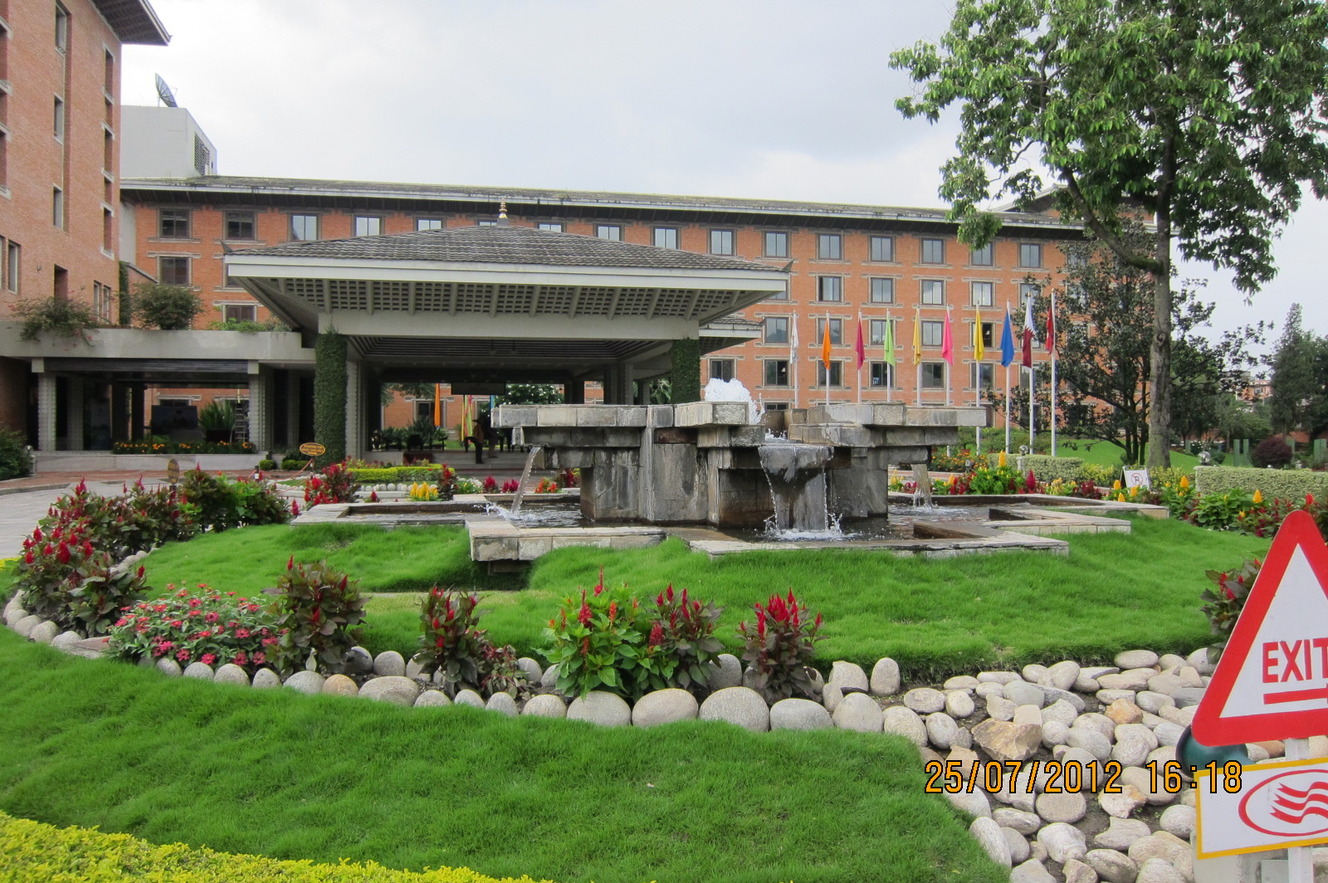
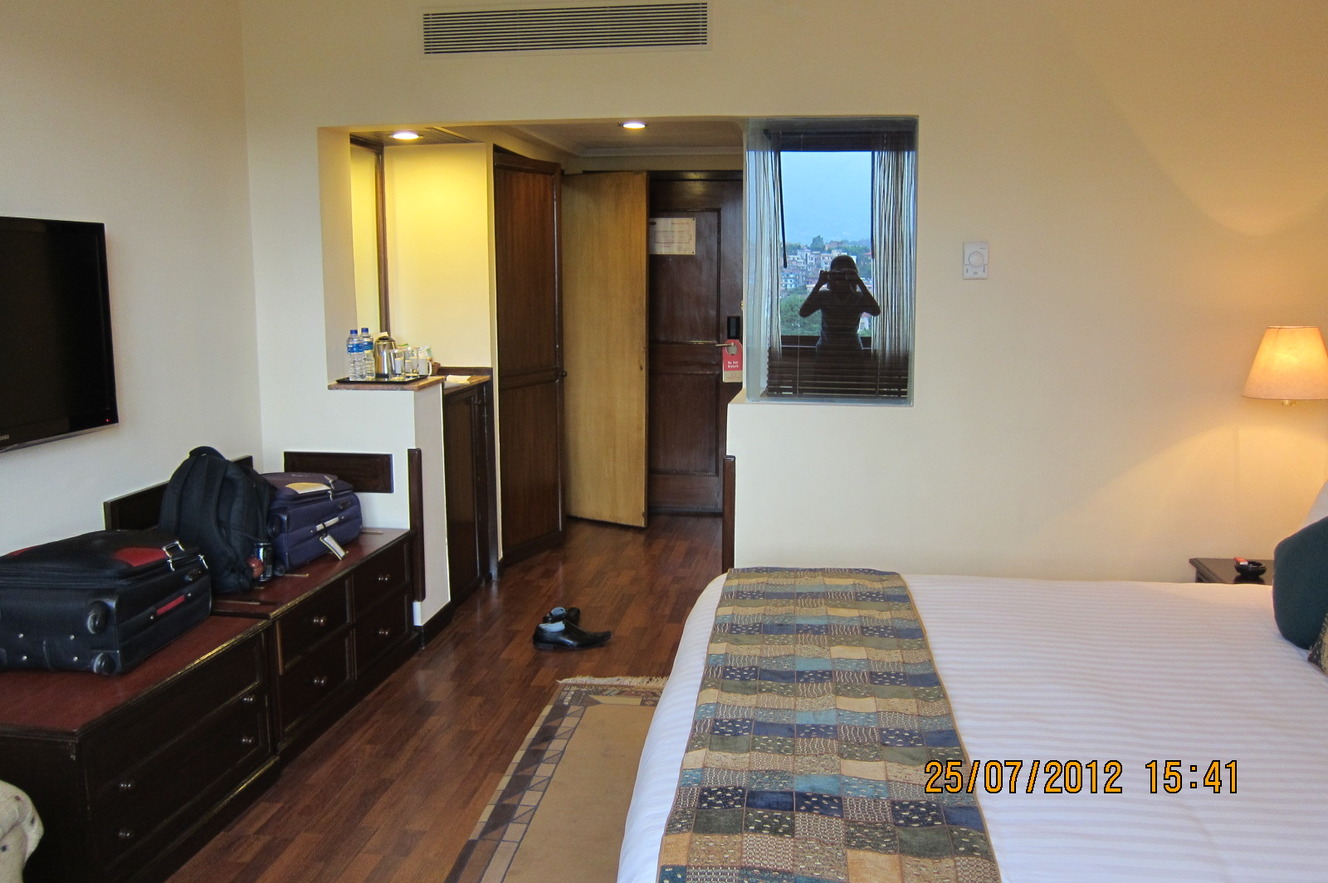
There are heaps of hotels ranging from 3 – 5 stars and even AirBnB. But if you’re unsure where to start, have a look at the hotel where I stayed. During the time when I stayed it was called Crowne Plaza Kathmandu. However it is now known as The Soaltee Kathmandu this is a 5 star hotel. If you’d like to book at this hotel here is the link to book.
Another hotel that I visited to have afternoon tea was the Hyatt Regency Kathmandu this is a luxurious hotel. If you’re just like me only covering Kathmandu then these 2 options are your best choices. Then again there are other options to fit your needs.
Shopping in Nepal - Look For Thamel District
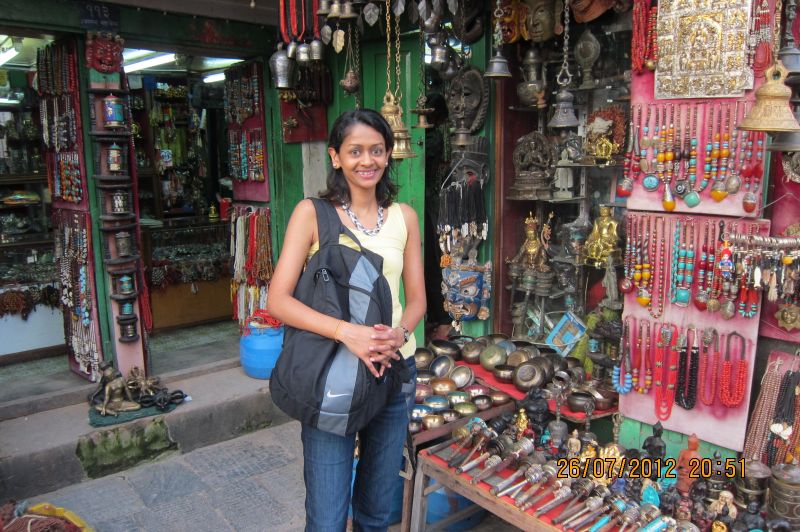
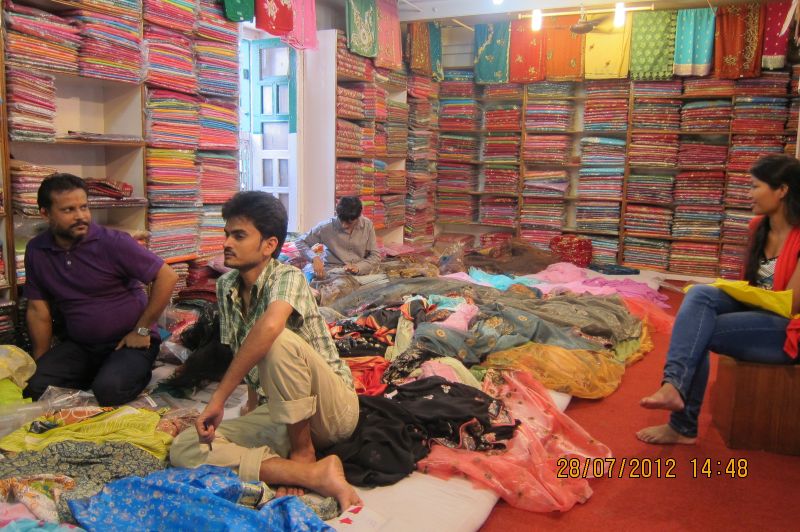
Kathmandu's central Thamel district is a clearinghouse for anything that can be purchased in Nepal and is the natural place to shop, but there are several other areas that specialise in specific crafts. (Since October 2017, downtown Thamel is car-free, which makes shopping here much more pleasant than before.) Just be mindful of those 500-rupee pashminas -- some deals are too good to be true!
Ladies, if you’re into Sarees this is the best place to look for. And there are tailors available to sew your blouses for you within a day's delivery. They will deliver it to your hotel. I bought my best sarees from Nepal and until today I got compliments. Nepali saree designs are definitely different from those from India/
Nightlife in Kathmandu
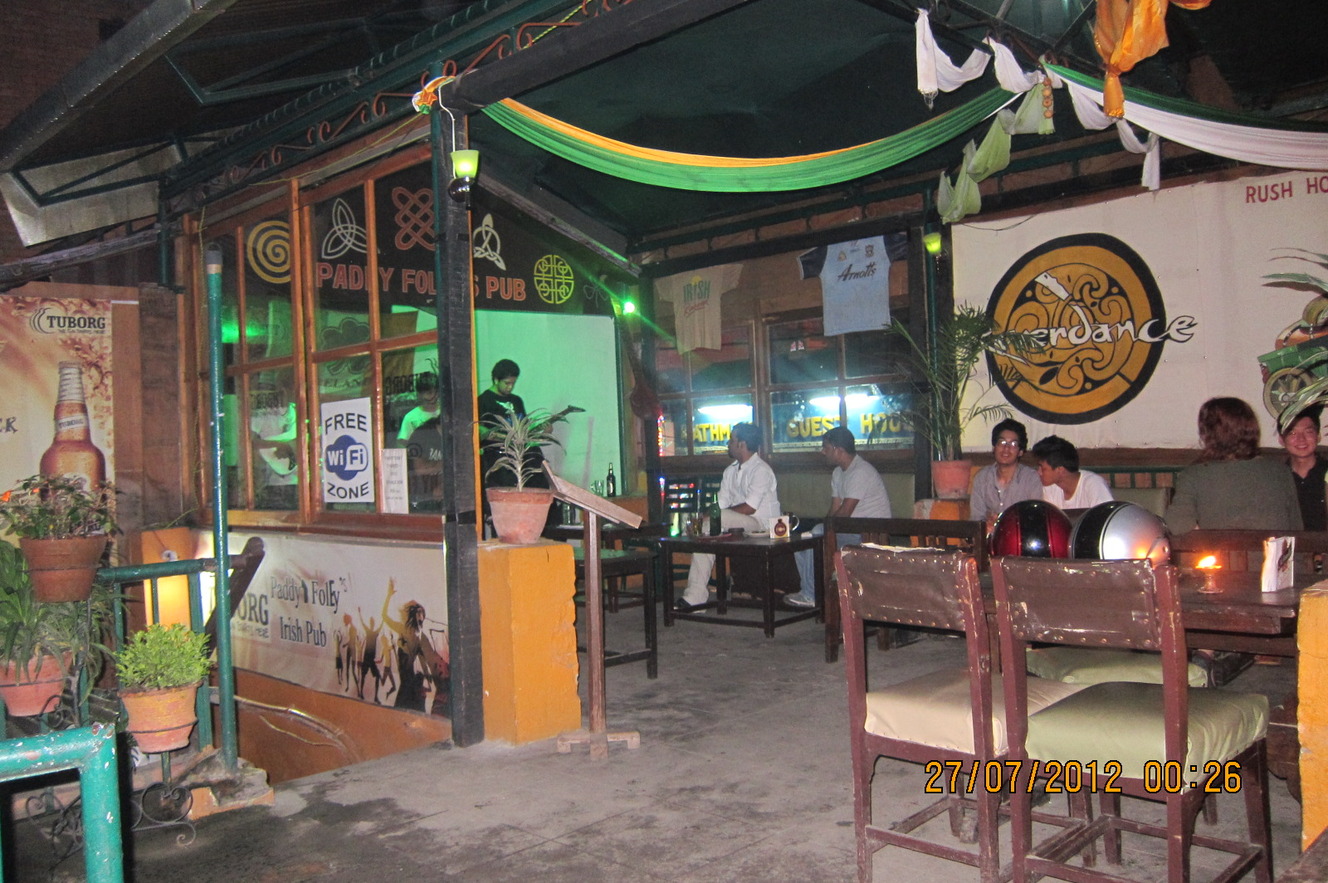
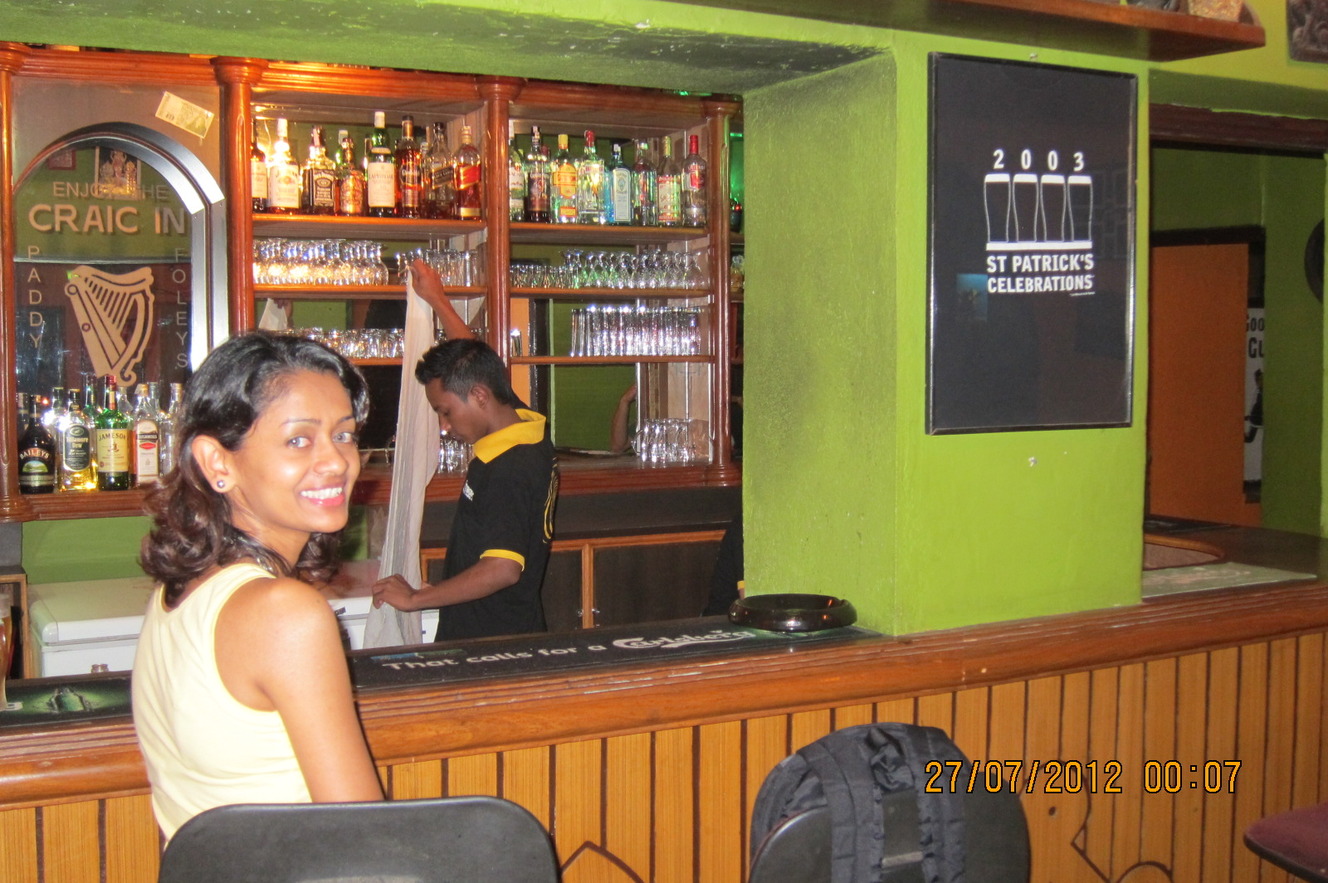
Paddy Foley's Irish Bar
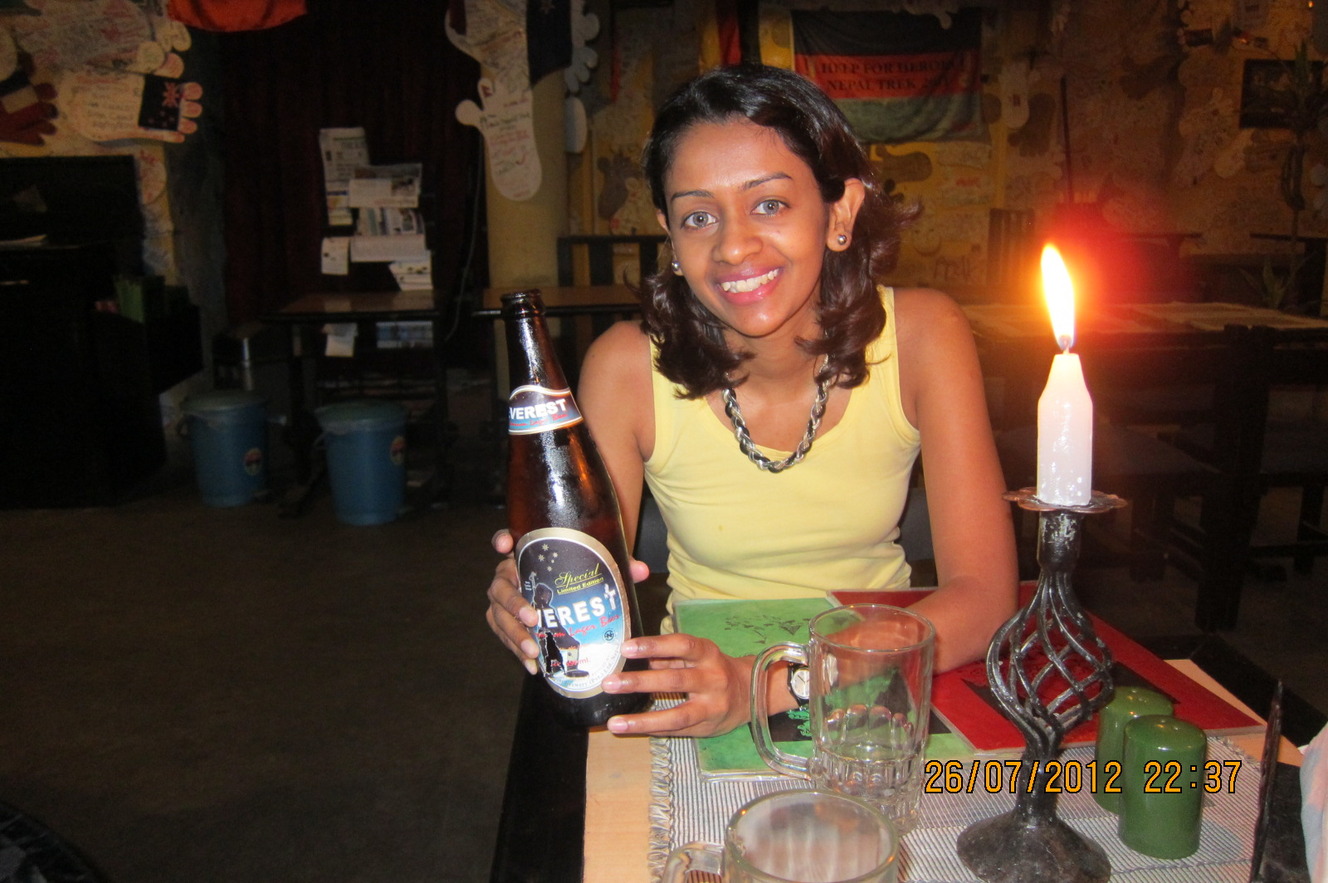
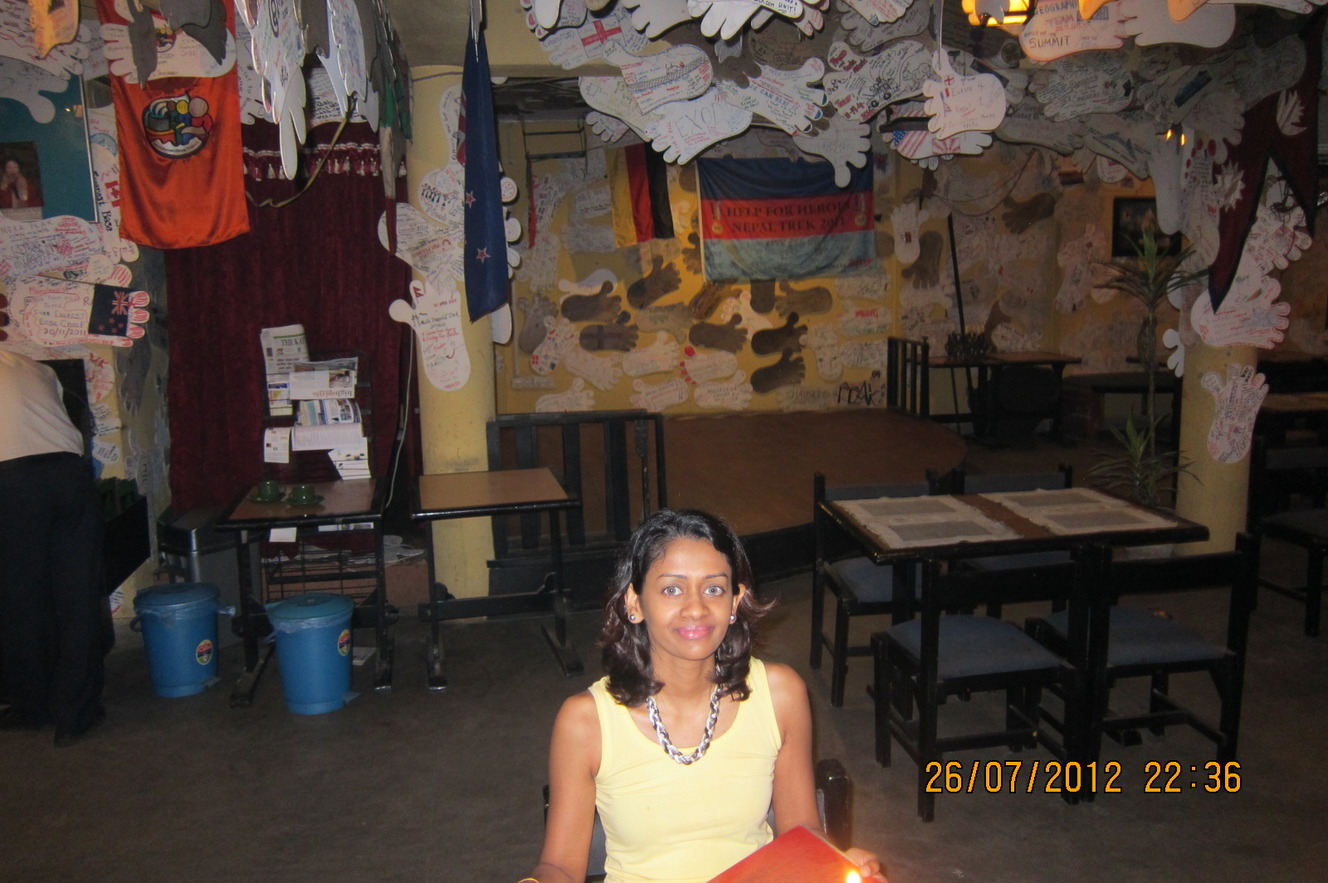
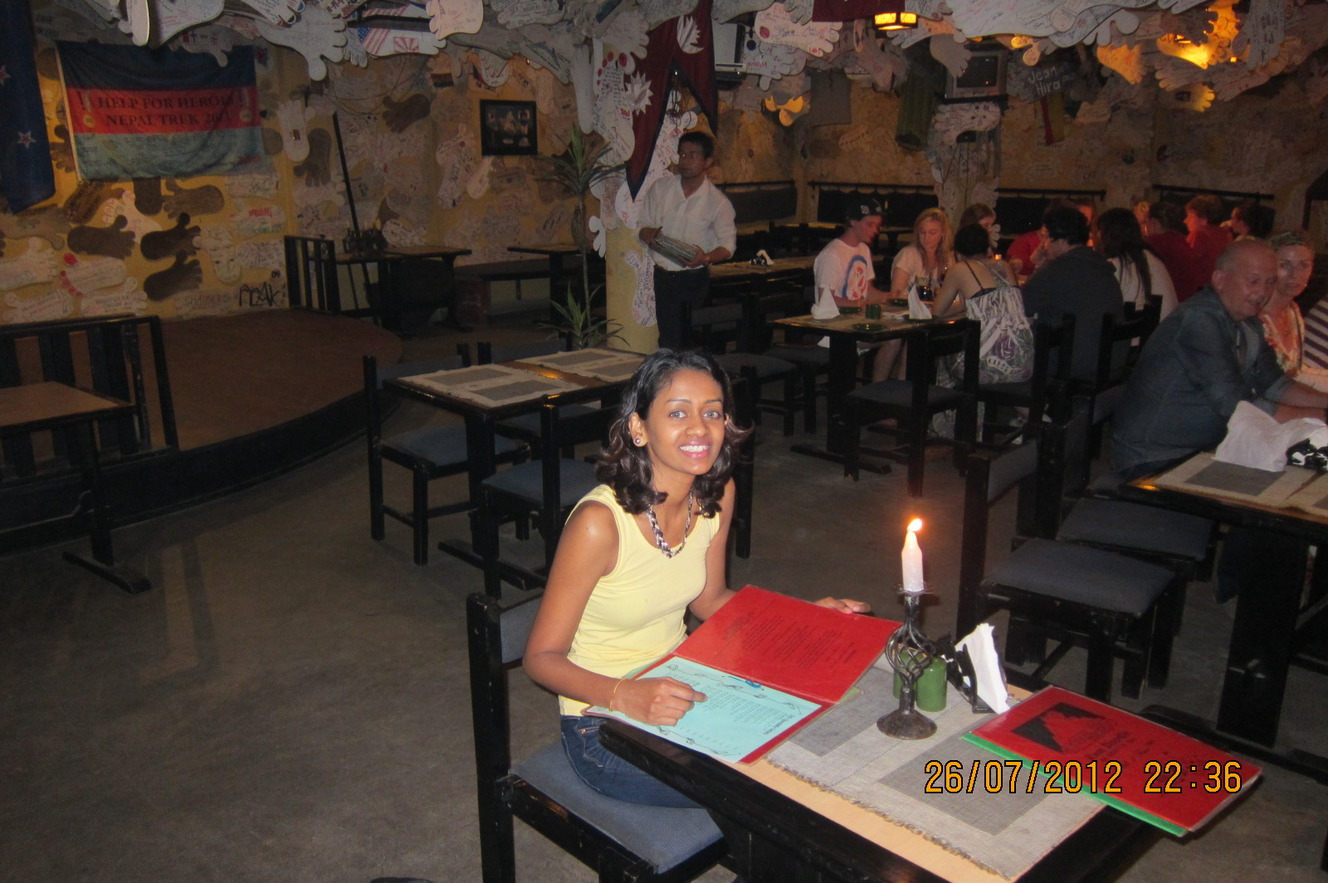
Rum Doodle
TIPS TO ACCLIMATISE TO ALTITUDE & What To Wear When In Nepal Especially when Visiting Religious Sites
Ranges from a minimum of 64 meters to a maximum of 8848 meters above sea level. My recommendation is that you stay in the city for a few days, before heading up for any trekking. Also it would be helpful if you train a few months prior to going to Nepal. Experts say that it will help tourists if you do some 6 – 14 km walking, light jogging and cycling.
Drink lots of water, do mountain climbing, avoid smoking, alcohol and sleeping pills.
Proper trekking and winter clothing, as you know during November – January it can get extremely cold. So be sure to bring along proper winter wear.
Like in most South Asian countries in Nepal, the Hindi and Buddhist cultures are both modest and reserved, so my recommendation is to always be observant when travelling to these countries and dress conservatively and respect their culture.
In Nepal a fairly strict dress code applies when visiting sights of religious significance, such as temples or stupas, or rural communities.
Cover your shoulders and knees when visiting these areas, and you shouldn’t have any issues.