Ultimate Guide - Top 15 Things To Do In Luxembourg
Luxembourg is one of the world’s smallest countries. Here are some fascinating stories about Luxembourg. The city in Luxembourg has a long history, dating back to the Middle Ages. The old city is full of beautiful architecture and there are plenty of museums and art galleries to explore. This small city is quite walkable with a rich history.
Some parts of the country you can see medieval buildings and still feel so modern at the same time.
I’ve listed down some of the top things / places you should visit when in Luxembourg. For a start the country is very small and is a landlocked country bordered by Belgium to the West, France to the South and Germany to the East. Its population makes up approximately 525,000 and 43% of which are foreign residents. It has the highest number of expats among European countries.
I went to Luxembourg on a business trip and was in this cute country for 5 days. In my opinion, you can cover the city and maybe some parts of the suburbs within 5 days actually as it’s a small country.
Brief history and How She got her Name.
The origins and the name of Luxembourg are linked with one person, and with one place.
In the year 963, a Count by the name of Siegfried, a Carolingian by blood - and on his mother's side he was descended from Charlemagne, acquired from the St. Maximin Abbey in Trier a rocky promontory overhanging the valley of the River Alzette. According to the deed recording the transaction, a small stronghold called "Lucilinburhuc" was situated there at that time. The word "Lucilinburhuc" is synonymous with small fortress. It was probably of Roman origin. It was there that the name of Luxembourg first appeared in history. The name would pass to the city which took shape all about, and then be handed on to the country which developed around that city. Nowadays, the city and the country carry the same name.
According to legend, Count Siegfried would be married to Melusina, a mermaid who became a part of European folklore and who was to disappear beneath the waves of the Alzette. Be that legend or not, Siegfried was present at the very birth of the House of Luxembourg, a dynasty which, during the 14th century and the first half of the 15th century, was to provide four Emperors to the Empire and four Kings to Bohemia.
Very interesting history there! If you’d like to know more about this, you can read about it here → LUXEMBOURG CITY
Adolphe Bridge
Also called New Bridge, it was erected between 1900 and 1903 during the rule of Grand Duke Adolphe. This event was followed with great interest from abroad, because the bridge had the biggest stone arch in the world up to then. The big double arch spans more than 85 metres across the Pétrusse valley at a height of 42 metres, and a total length of 153 metres.
To know more about this fortress, read here → BOCK CASEMATES
Belonging to the UNESCO World Heritage, the first underground tunnels were built in 1644, in the era of Spanish domination. The 23-kilometre long galleries were enlarged only 40 years later by Vauban, the French military engineer and fortress builder, and in the eighteenth century by the Austrians. The subterranean defensive passages were placed on different levels and reached down as far as 40 metres. It is these impressive defence works that conferred Luxembourg the name of “Gibraltar of the North”.
After the dismantling of the fortress in 1867, 17 kilometres of the casemates were spared, left in good condition. Since 1933 the Bock and Pétrusse casemates have been open to the public. The fortress ramparts and the historically impressive Old Town enjoy international reputation: in 1994 UNESCO listed Luxembourg's old town and fortifications including the casemates as World Heritage.
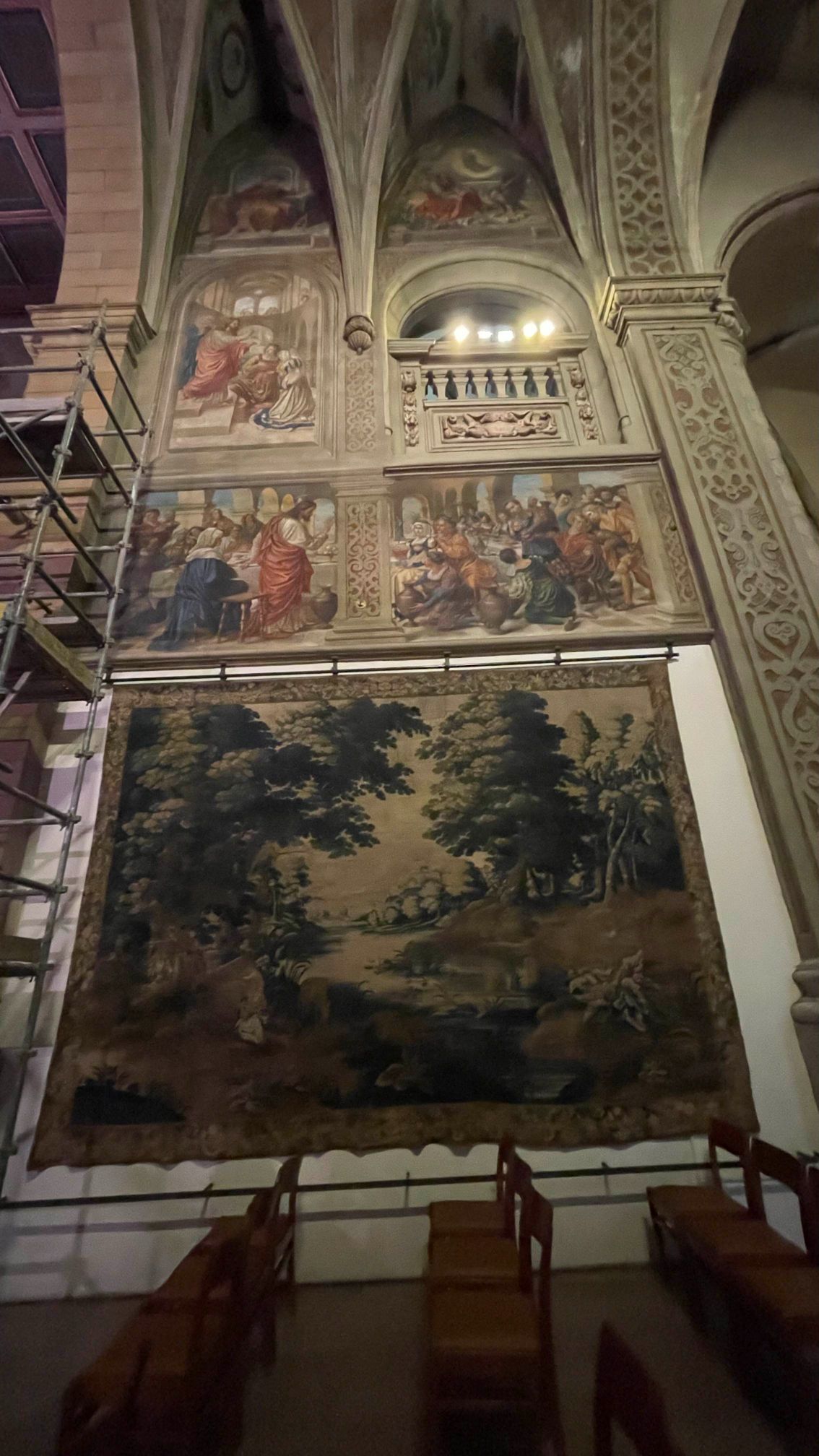
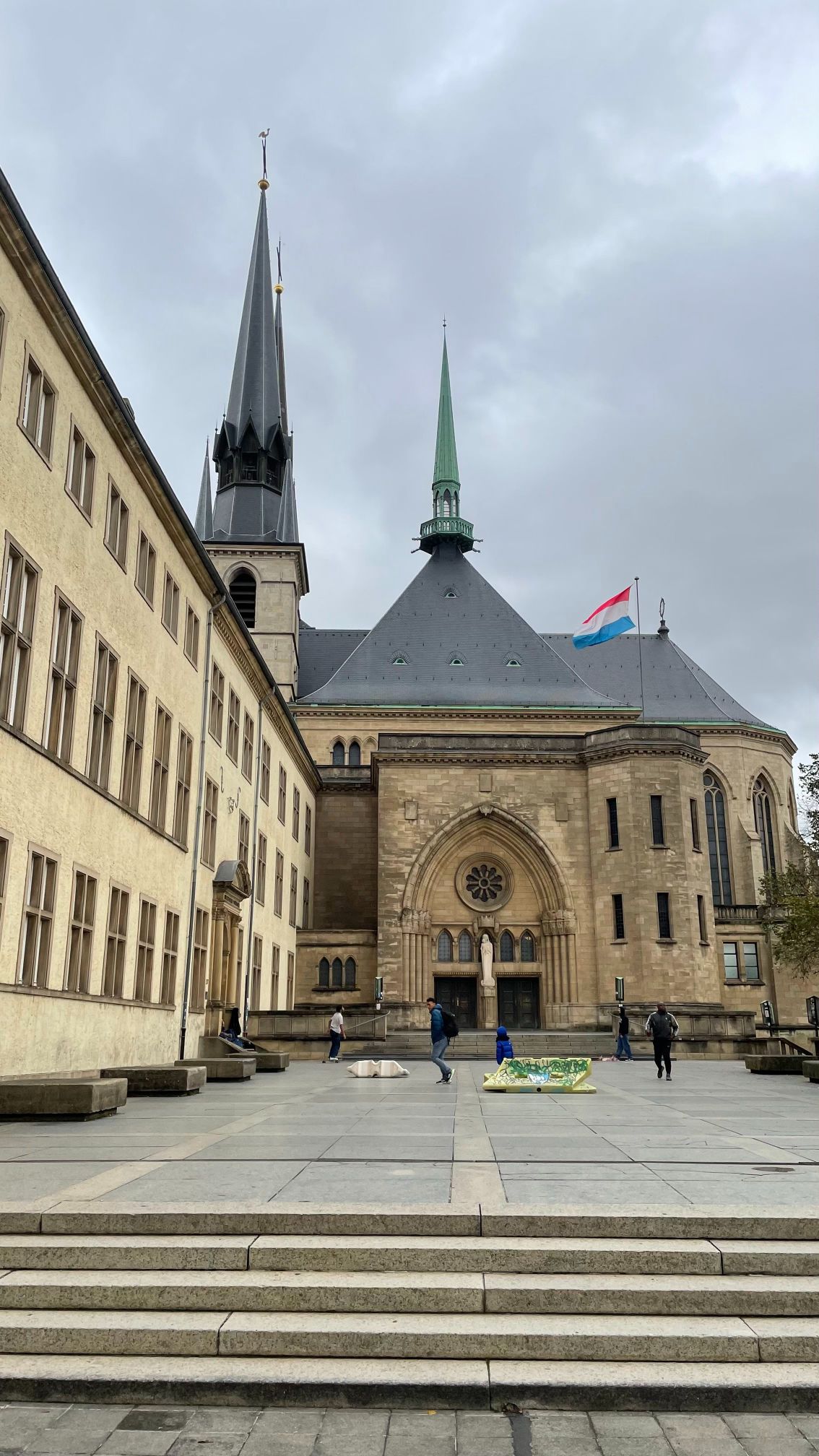
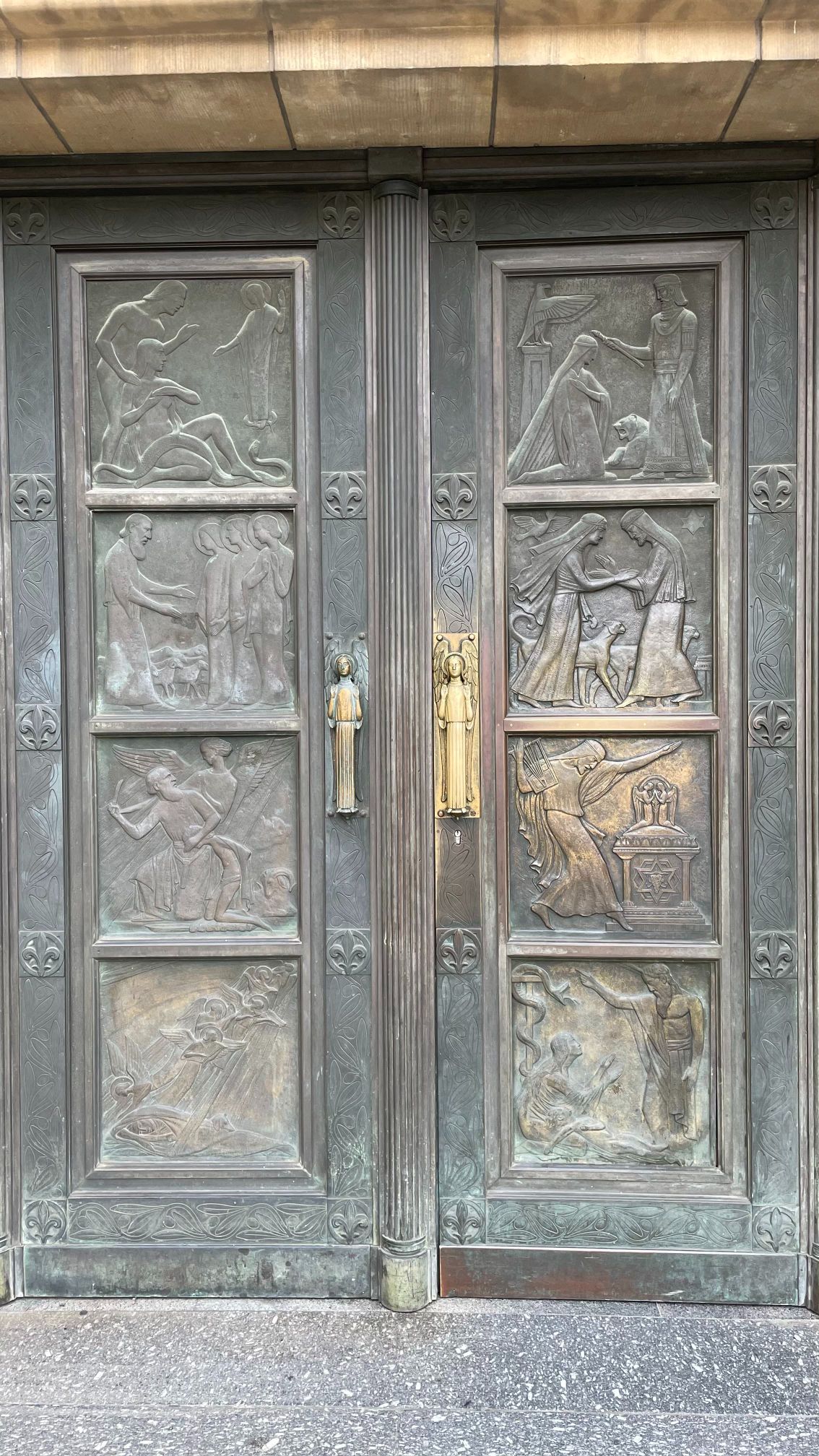
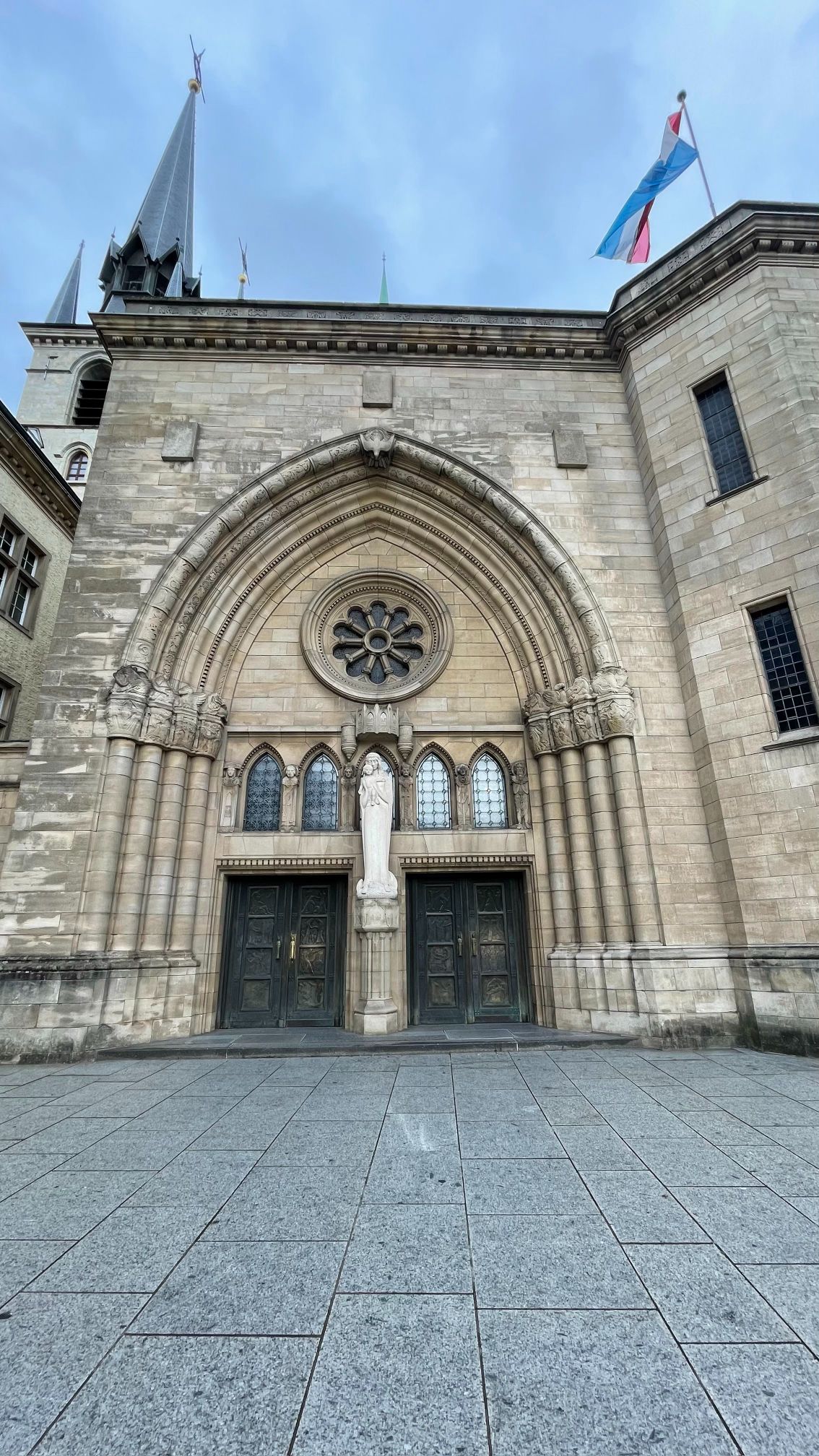
CATHEDRAL “Notre-Dame de Luxembourg”
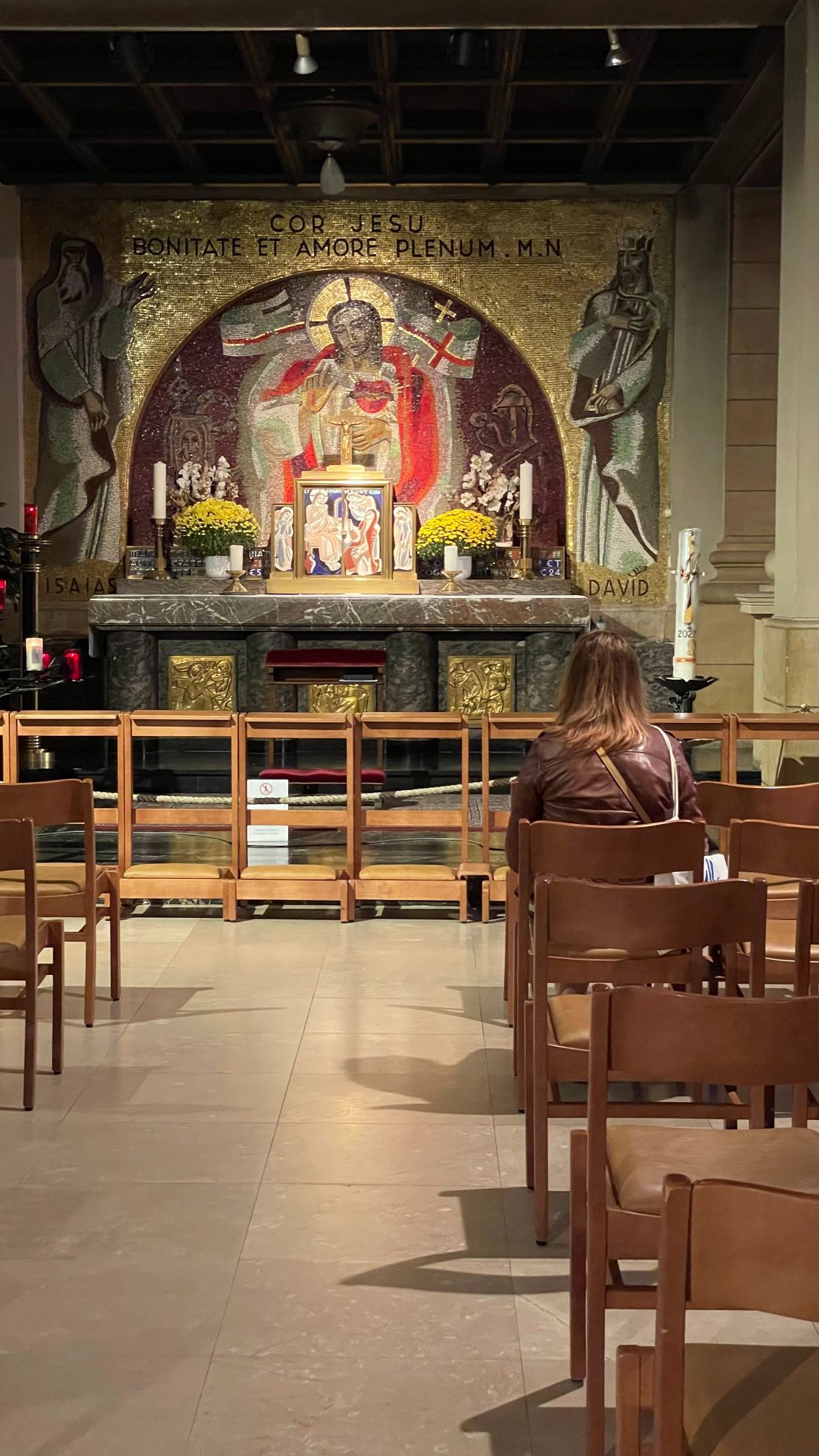
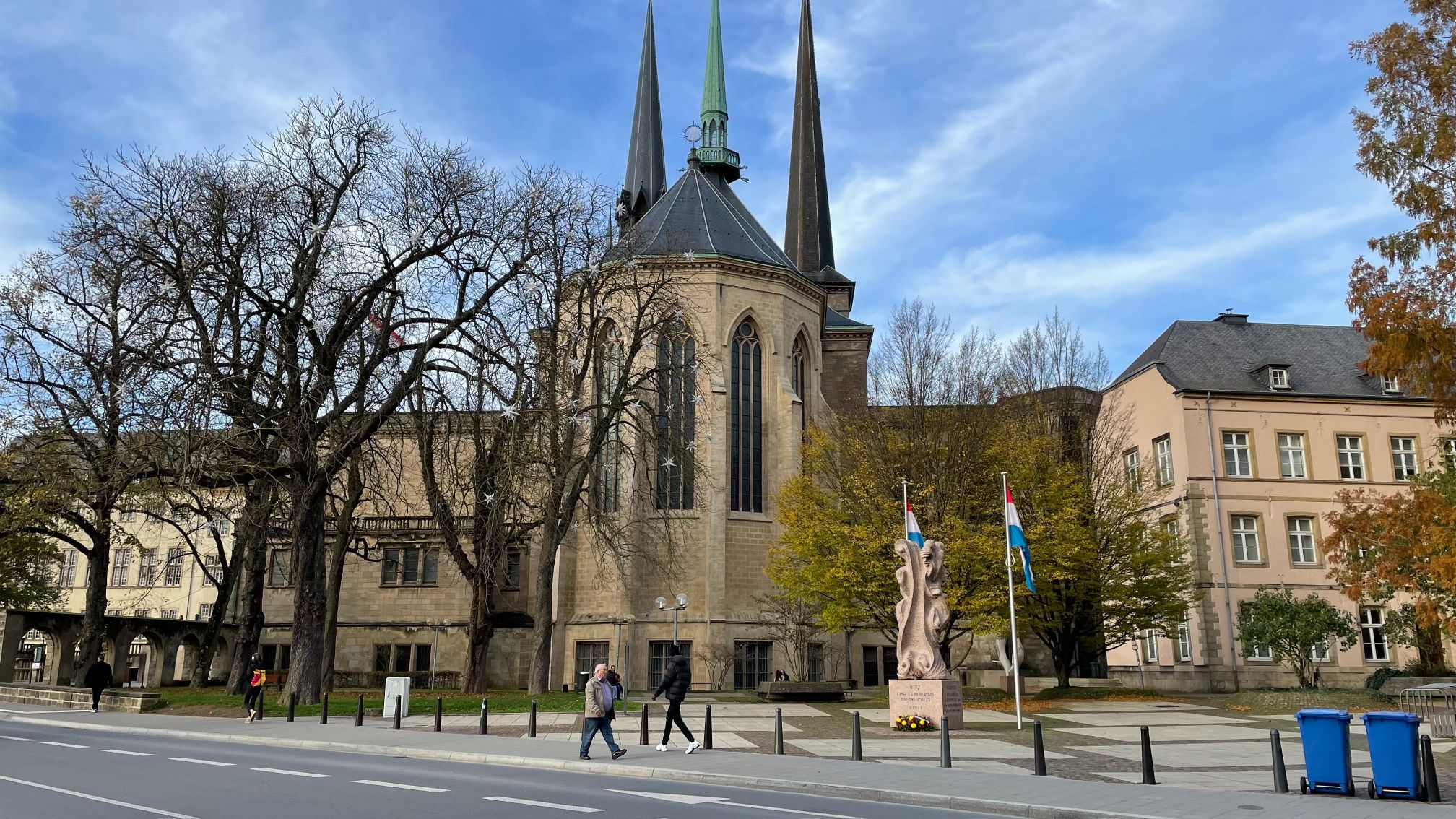
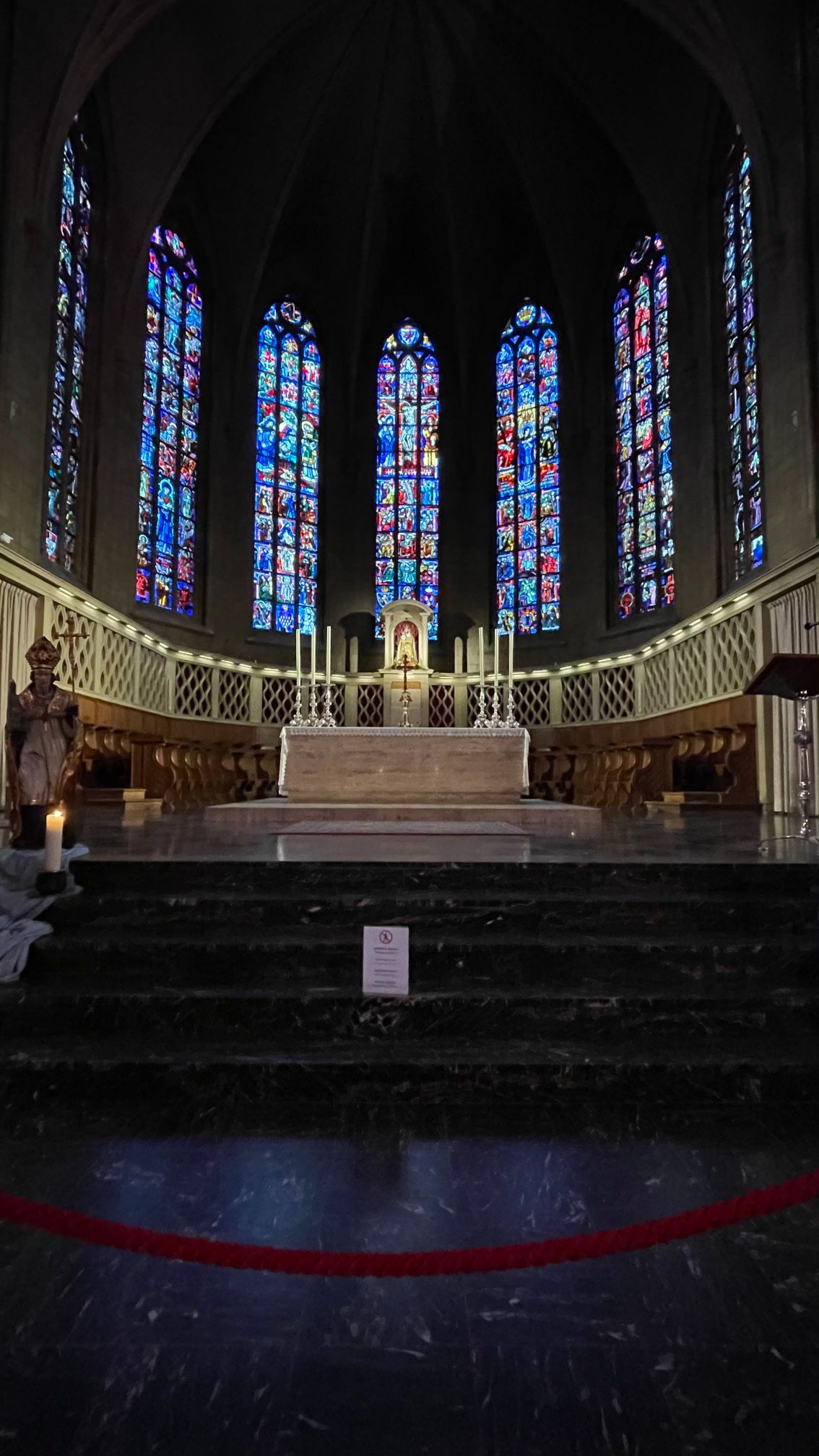
The Cathedral of the Blessed Virgin was originally a Jesuit church, the foundation stone of which was laid in 1613.It is a remarkable instance of late Gothic style, revealing various components and ornaments inspired by Renaissance style.
At the end of the 18th century it adopted the picture of the Lady Comforter of the Afflicted, who had the power to work miracles, and who is the patron saint of the city and the country.50 years later it was consecrated to Saint Mary's church and in 1870 Pope Pius IX dedicated the Cathedral of the Blessed Virgin.Between 1935 and 1938 it was enlarged. This cathedral reminded me of the same Notre Dame Cathedral in Paris. I had an opportunity to go inside and say a prayer. If you are a catholic I strongly recommend going in and lighting a candle and praying. It was so peaceful and serene being inside.
CERCLE CITE:
CITY PALACE
Cercle Municipal is an administrative building with several festival halls. From 1953 to 1969 the European Community for Coal and Steel used it as a venue for meetings and conventions. On the front a unique frieze depicts the scene where Countess Ermesinde hands over the charter of freedom to the citizens of Luxembourg in the year 1244. A bridge connects the City Palace with the new sociocultural meeting centre "Le Cité". Together they form the culture and conference centre "Cercle Cité". Remember I mentioned that I was on a business trip to Luxembourg, so I was representing my country in a prestigious reinsurance awards in November and the venue was hosted at this gorgeous place. You’ll see the interior of the ballroom in my photos. But I must say it’s very European / venetian style.
Place de la Constitution & Gëlle Fra" Memorial
La Place de la Constitution, or also known as the “the famous square with the golden statue”, is one of the great meeting points in Luxembourg City. Here, locals and tourists bump into each other either on a normal day during the week or even at events that take place there like the famous Marché de Noel. The square has several attractions, including the beautiful monument “Gëlle Fra”, a golden statue.
The "Golden Lady" (Gëlle Fra) on Constitution Square was set up in 1923 to commemorate the Luxembourgers who perished in the First World War. The memorial represents a gold-plated female figure on a stone obelisk. On October, 20th, 1940 the Nazis pulled the monument down; only in 1984 did extensive restoration give it back its original appearance. Today it symbolises freedom and resistance for the Luxembourg people. She looks very majestic and beautiful don’t you think?
GRAND DUCAL PALACE
The grand ducal Palace, located in the centre of the old town, is the official residence of the grand ducal family. It was once home to Luxembourg City’s first town hall whose origins date back to 1418. After the town hall was destroyed by a gunpowder explosion in 1554, it was rebuilt 20 years later. In 1741, the stone balustrade was replaced by a wrought-iron balustrade that still exists today. In the mid 18th century, the town hall was enlarged on the right side by a Baroque building called “Salle de la Balance”. In 1890, the Chamber of Deputies was built on the right-hand side of the building. Since 1890, the main building has served as the grand ducal Palace. From 1992 to 1995 the palace underwent extensive renovation works.
Pro-Tip: During summer, the Luxembourg Tourist Office organises a 75 minute guided tour around the palace. If you happen to be visiting during summer time, be sure to book your spot!
Grand Duchess Charlotte
The statue of Grand Duchess Charlotte on Place de Clairefontaine was designed by the french sculptor Jean Cardot. On 29th April 1990, the 2.75-metre high bronze statue was officially inaugurated in the presence of the Grand Ducal family. Grand Duchess Charlotte (1896-1985), who was very popular with the Luxembourgers, ruled from 1919 to 1964.
Kaddish Monument or Monument de la Shoah
In 2009, representatives of the Jewish community and historians, having conducted extensive research on the confiscation of Jewish property, petitioned the government to erect a monument in commemoration of the victims of the Shoah in Luxembourg City. On 17 June 2018, a monument to the vic- tims of the Shoah was inaugurated on Boulevard Franklin Delano Roosevelt, in a location which marks the site of the country’s first synagogue. The monument was created by the Franco-Israeli sculptor Schlomo Selinger.
La Passerelle Bridge
“La Passerelle”, built between 1859 and 1861, is a viaduct that crosses “La Pétrusse” Valley connecting the districts of “Gare” and “Ville Haute”, where The Central is located. It is also known as the Old Bridge by Locals: in Luxembourgish “Al Bréck”, in French “Vieux Pont”, in German “Alte Brücke”. The “new bridge” in this comparison is the Adolphe Bridge, which was built between 1900 and 1903.
“La Passerelle” is a good spot to understand the unique structure of Luxembourg City which is really built on two levels. On the upper plateau there is the old fortified town: a maze of pretty streets, historical landmarks, upscale restaurants, museums, and luxury boutiques. In the lower part of the city along the valley you will find more homes, lively restaurants and bars, lush parks and picturesque canals in a remarkable natural setting.
The State Savings Bank or BCEE Building
The architect Jean-Pierre Koenig (1870-1919) started in 1910 the construction works on the new building which was finished in 1913. During the construction works the persons in charge noticed that the building was way too small and as a consequence a first annex to the existing building was built in 1913. A second mounting followed 1933.
The State Savings Bank Building has been built in histories style and imitates the french Néo-Renaissance. The most prominent element is the tower (46 meter), that sets a distinctive accent to the skyline of Luxembourg City.
A monument dedicated to the Royal guards, this is also the way to go into the city, where you’ll see most of the attractions.
Souvenir Shopping in Luxembourg
It’s always tough to decide what to buy when you’re traveling to new countries / places. Fret not, thought I’ll share some of the gifts / souvenirs that I bought for my family and friends. Some of the MUST BUY souvenirs are the following:-
Bars To Try in Luxembourg
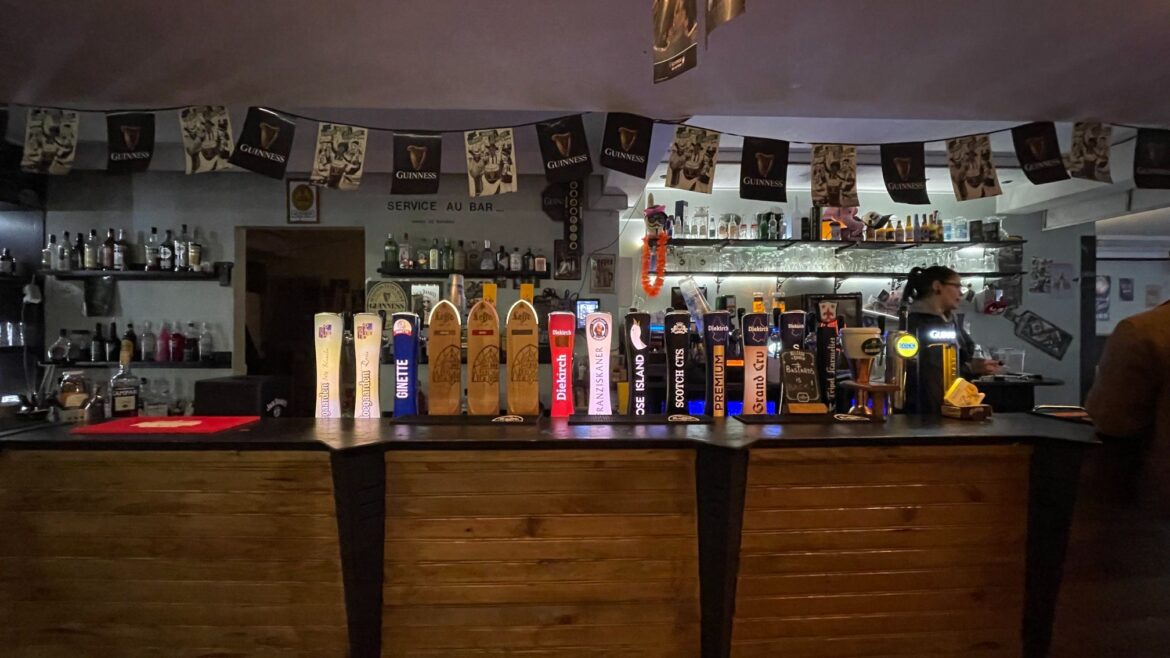
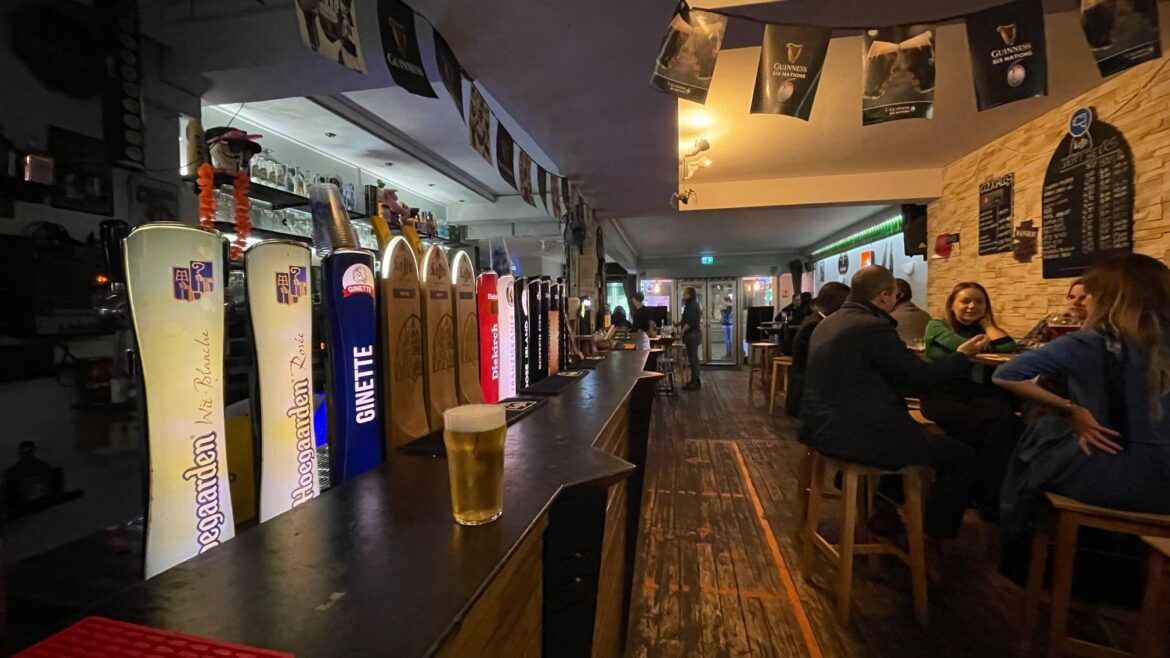
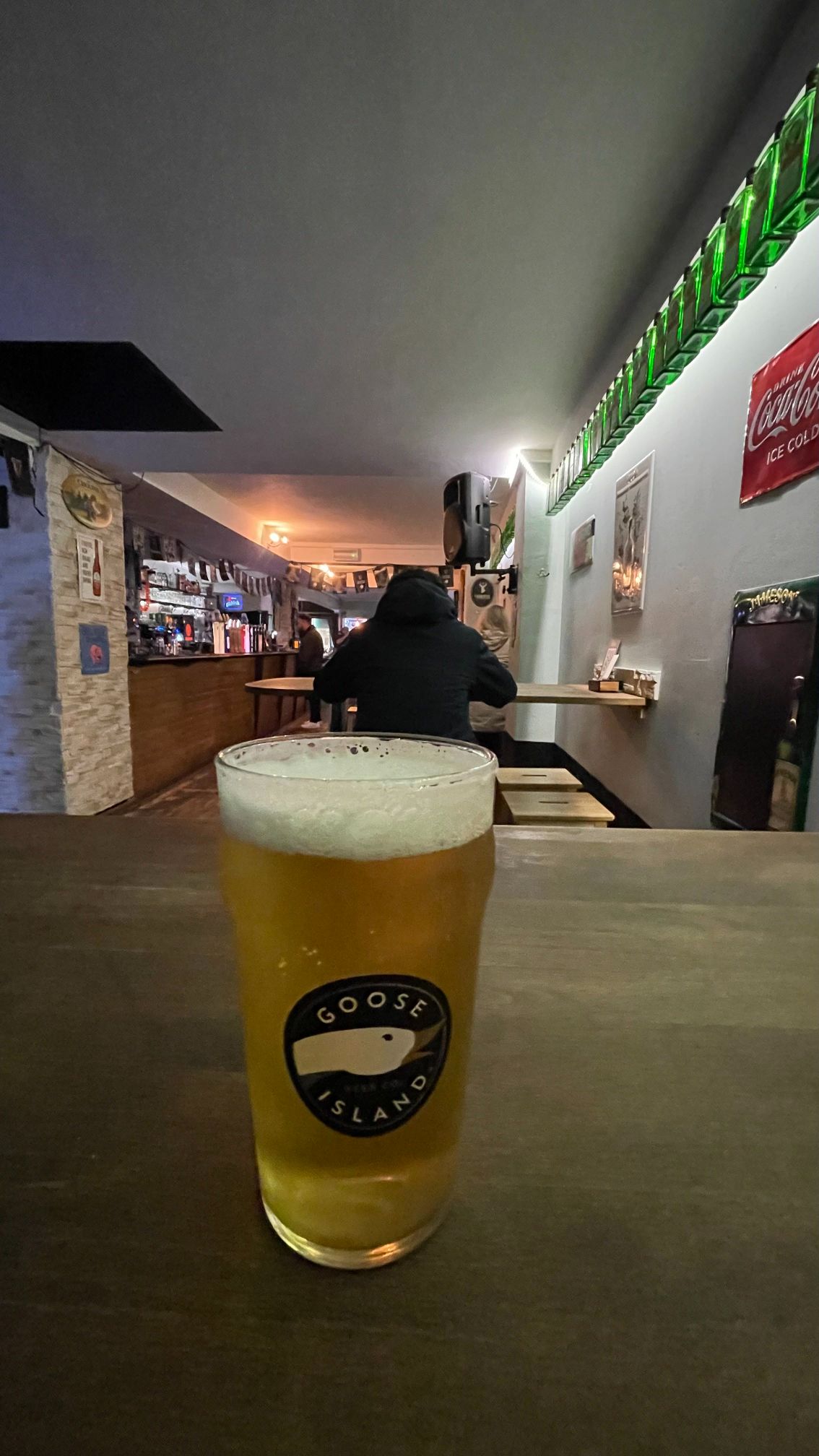
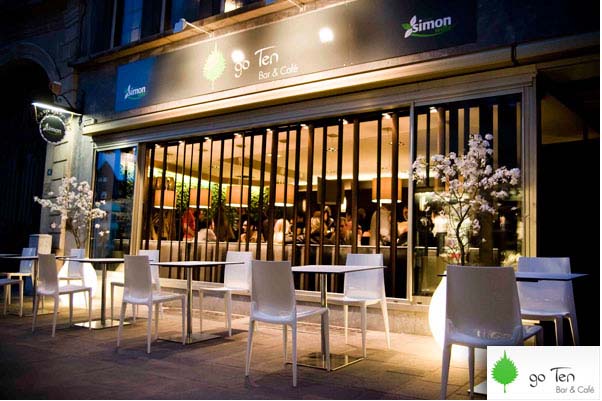

Whenever I travel to a new city / country, I’d always love to try out the local pub scenes. So, my concierge recommended me the following places which I thought was really nice way to meet the locals and also the expat community. After all Luxembourg is an expat community.
- Shamrock Pub on Boulevard Royal (the pub is facing the tram / bus station) – this place doesnt have any food so be sure to have your meal elsewhere. If you are a craft beer lover then this is the place to try out the variety of beers locally brewed by them
- Go Ten – a nice speakeasy bar that specialises in gin & cocktail bar at the heart of Luxembourg where you can find the largest selection of Gin & Tonic in the region, unique heated benches outdoor, and probably the finest electronic music in the country.
- Oscar’s Bar – Visit between 5pm and 8pm Monday to Friday to make the most of happy hour, when you can get two-for-one on alcoholic drinks.
- The Tube – named after the underground, this is a cute cosy place for craft beers, cocktails and even pizzas!
Traveling Around in Luxembourg
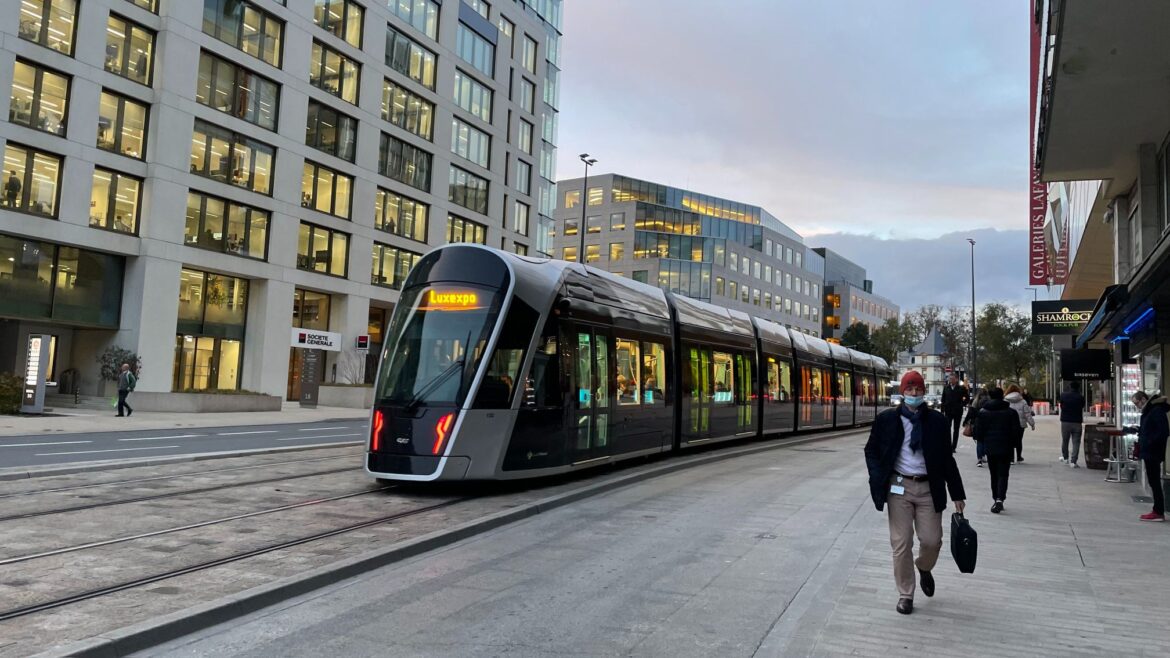
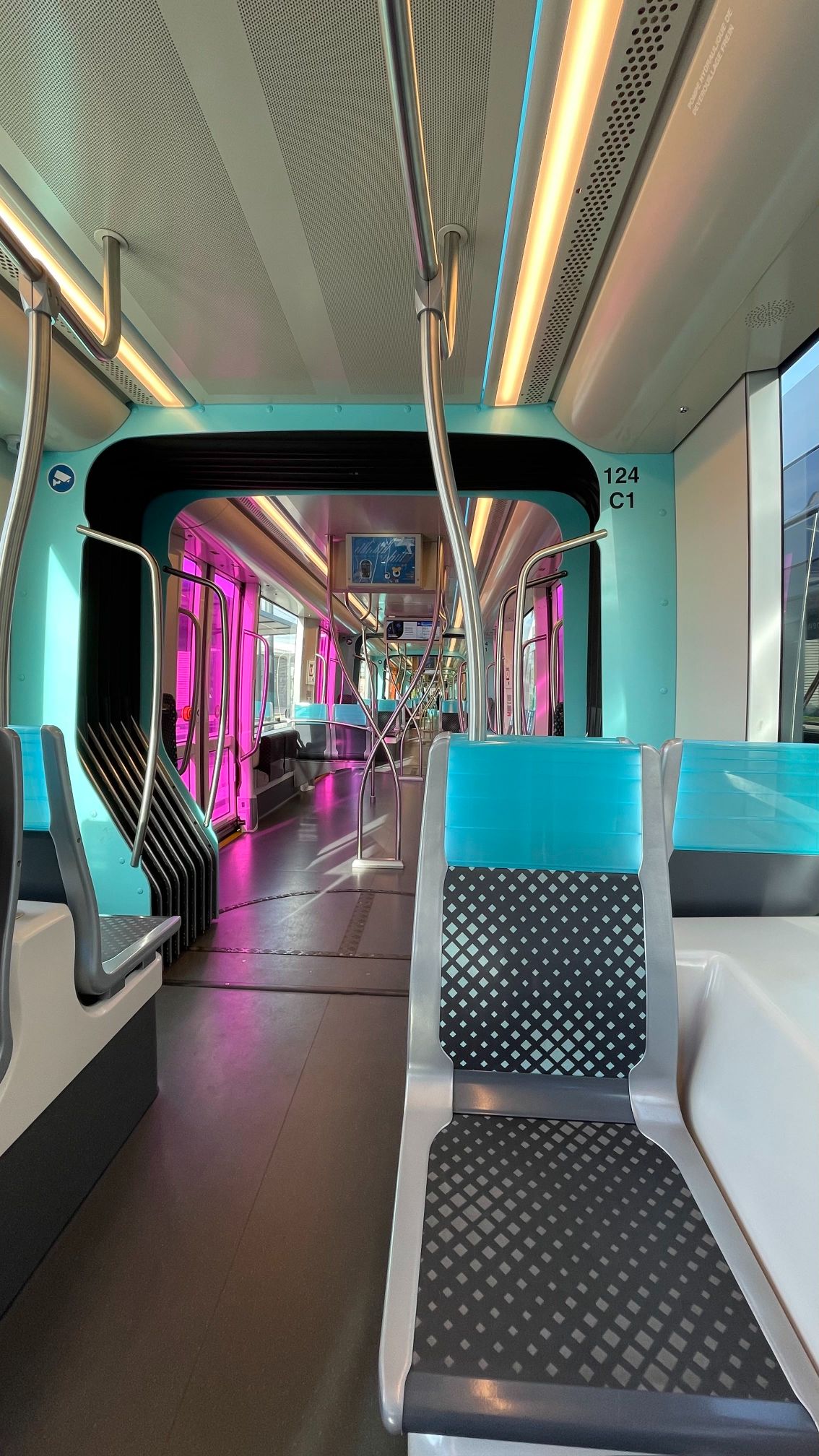
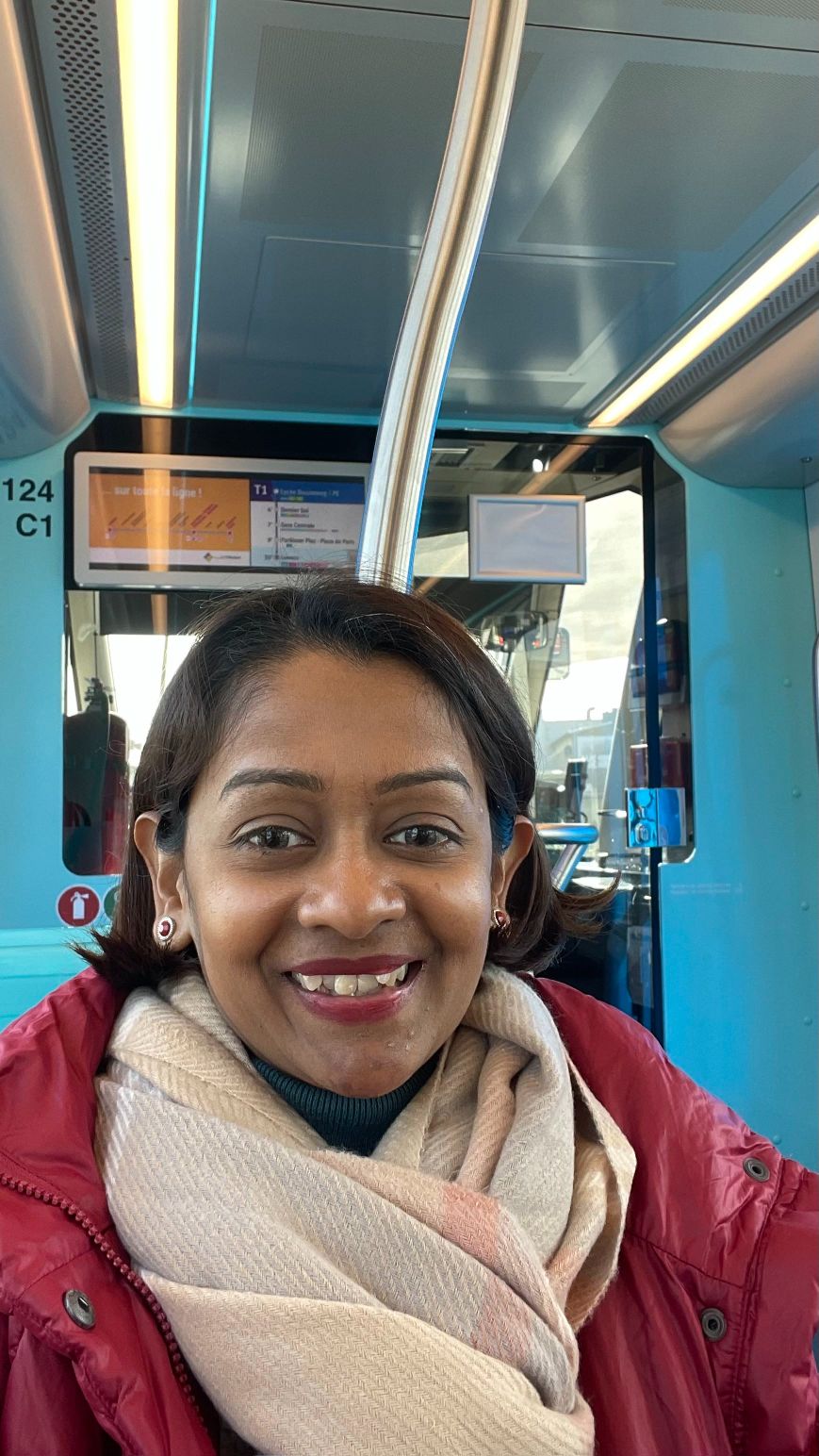
Like most cities, there’s tram services here in Luxembourg. But did you know that the Tram here is FREE? Yes you read it right, it’s free and it’s very modern and futuristic too. Since 29 February 2020, public transport has been free for everyone, both residents and tourists. Free of charge applies to trains, trams and buses (RGTR, TICE and AVL). This means that travelers will no longer need a ticket, whether it is a single ticket or a season ticket. The only exception to free travel is for first-class tickets and season tickets on trains. That’s how I travelled. To find out on the timetable and schedules you can download the app https://www.mobiliteit.lu/en/ (available on Apple and Google Play Store).
Also if you’re looking to party (with a little too much of alcohol) at night with a group of friends there this service call the Night Rider
Night Rider is a night transport service. Night Rider is available every weekend to ensure your safety and that of your loved ones during your outings! This is to combat drunk driving and speeding. I think this is a super good idea. You can download the app here (available on Apple and Google Play Store) https://www.nightrider.lu/en/booking
Where to Stay in Luxembourg
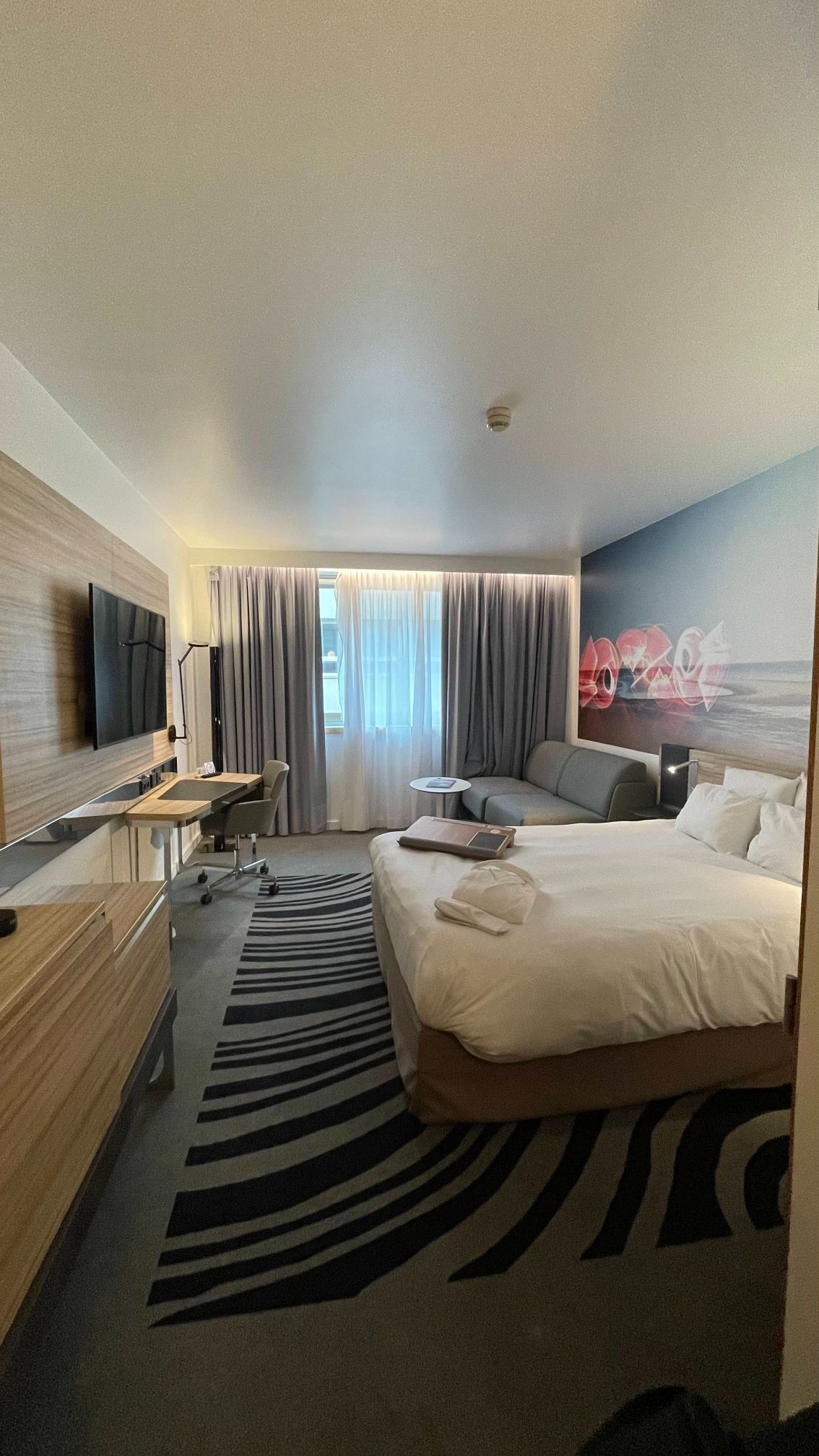
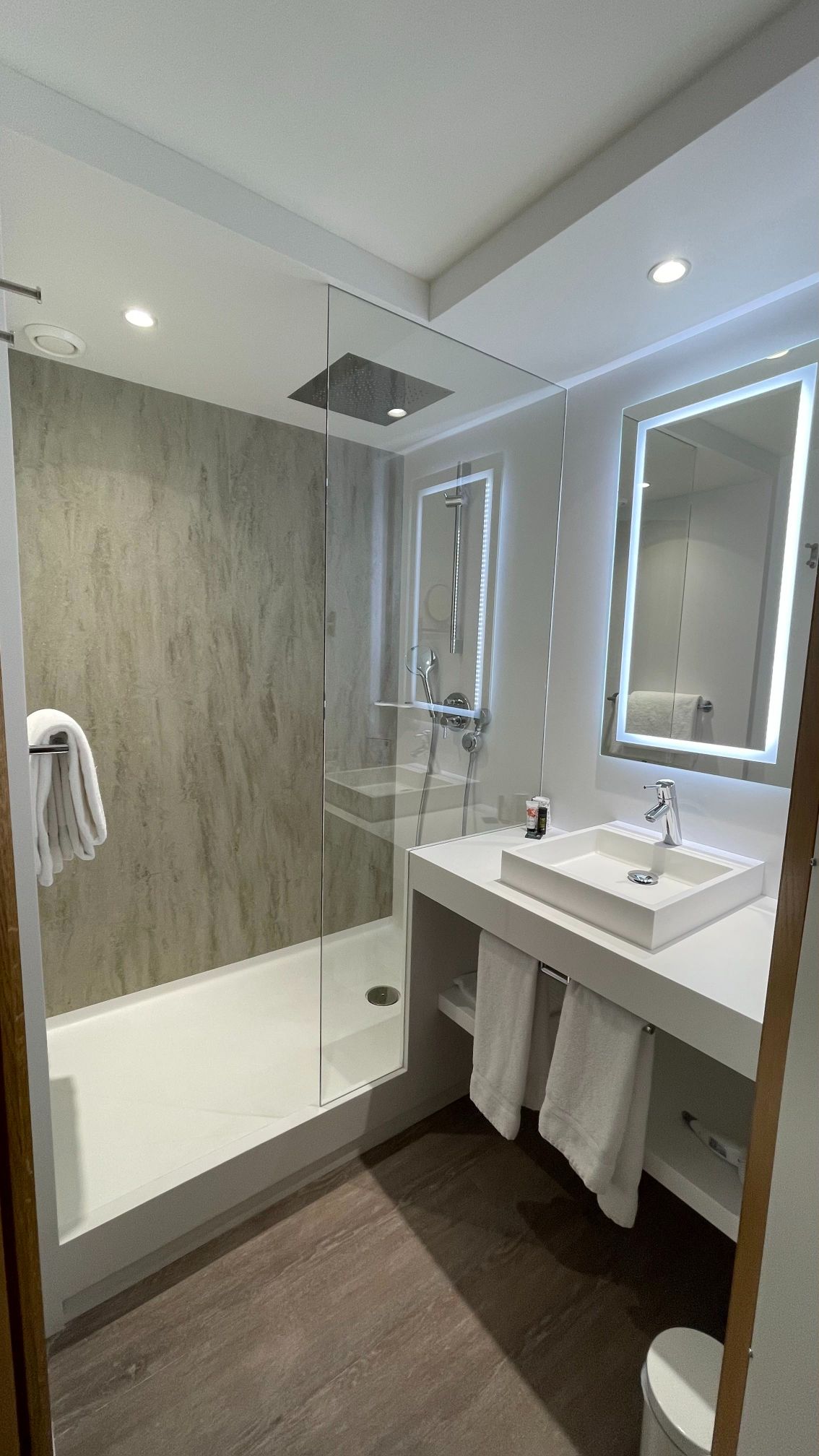
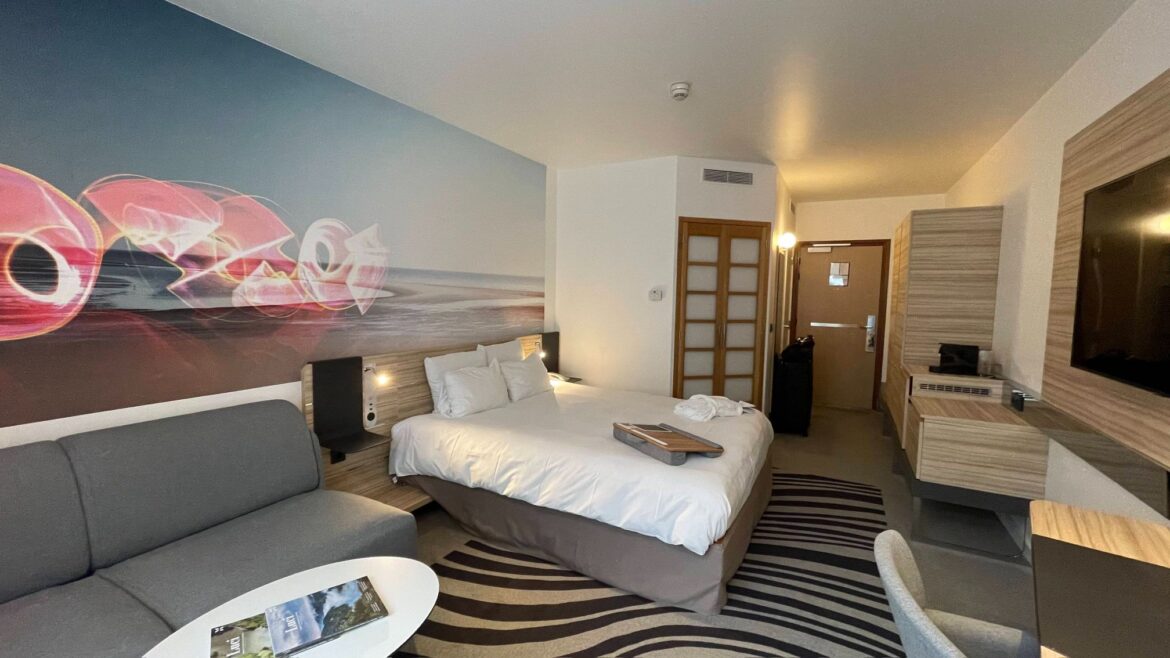
So, I stayed in the city centre. It’s Novotel Luxembourg Centre, its on 35 rue du Laboratoire, L-1911 LUXEMBOURG.
There are a number of Novotels in Luxembourg so be sure to google and be staying at the right one. Anyways I’ve hyperlinked the site above. Be sure to check it out. For me this place was an ideal hotel in terms of it’s location, walking distance to all the tourist attractions and the tram service.
Staff are friendly and courteous. Breakfast was ample and the rooms were clean and comfy! What more to expect from an Accor chain. It’s a practical 4 star hotel.
In case, you’re looking for more variety depending on your budget. I recommend checking out this site.